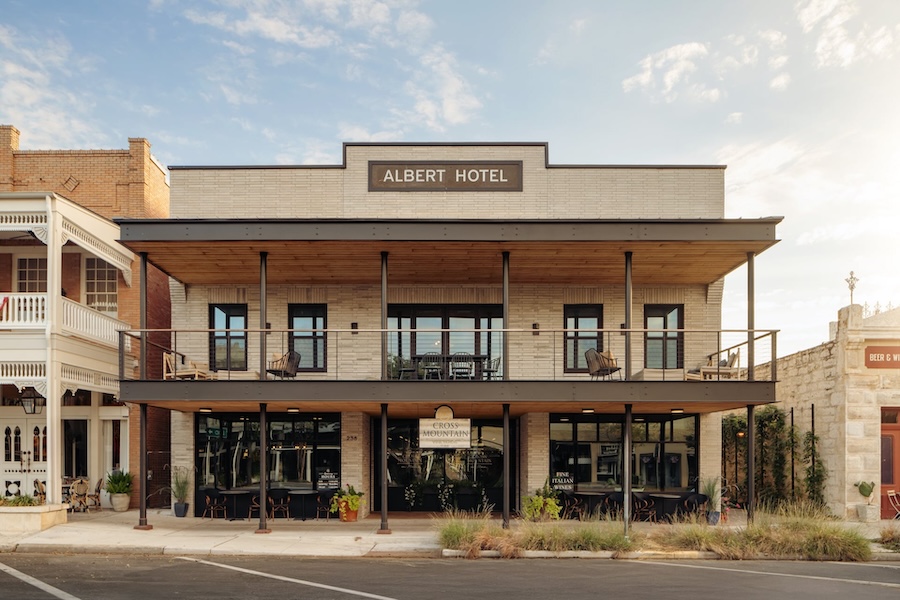
Albert Hotel has opened in historic downtown Fredericksburg, Texas. The boutique property builds on more than 175 years of the Keidel family’s legacy in Hill Country.
Named for Albert Keidel—an architect, historic preservationist, and prominent local figure—the hotel occupies the site of the family’s former pharmacy and homestead, both of which were preserved and integrated into the development.
Continuing the Keidel legacy
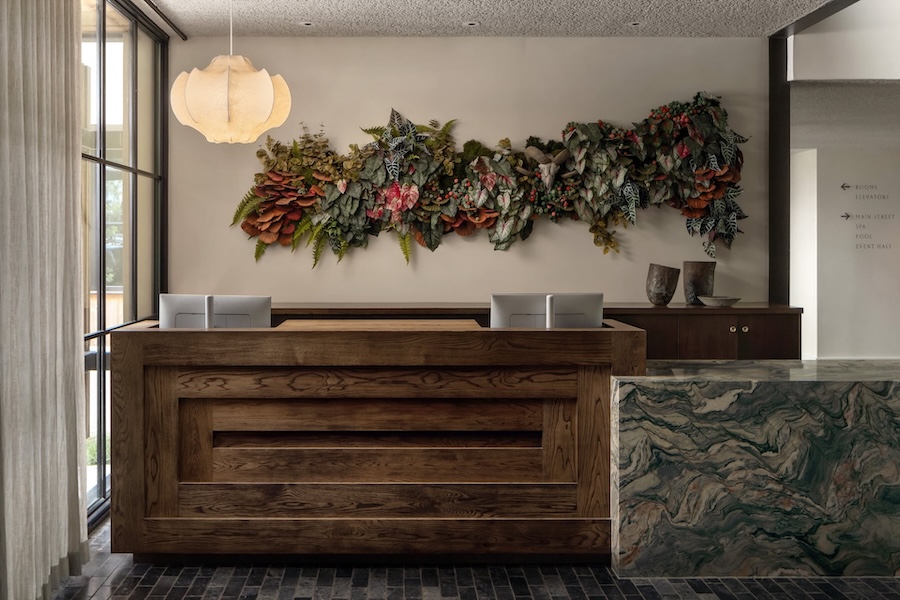
Designed by Clayton Korte in partnership with New Waterloo, the 105-room Albert Hotel merges adaptive reuse with contemporary architecture.
Four historic structures—the Keidel family home (1860), the Brockmann-Kiehne House (1870), the White Elephant Saloon (1888), and the Keidel Pharmacy (1906)—anchor the streetscape along East Austin Street, while the new hotel building is discreetly set behind them to maintain the scale and rhythm of downtown Fredericksburg.
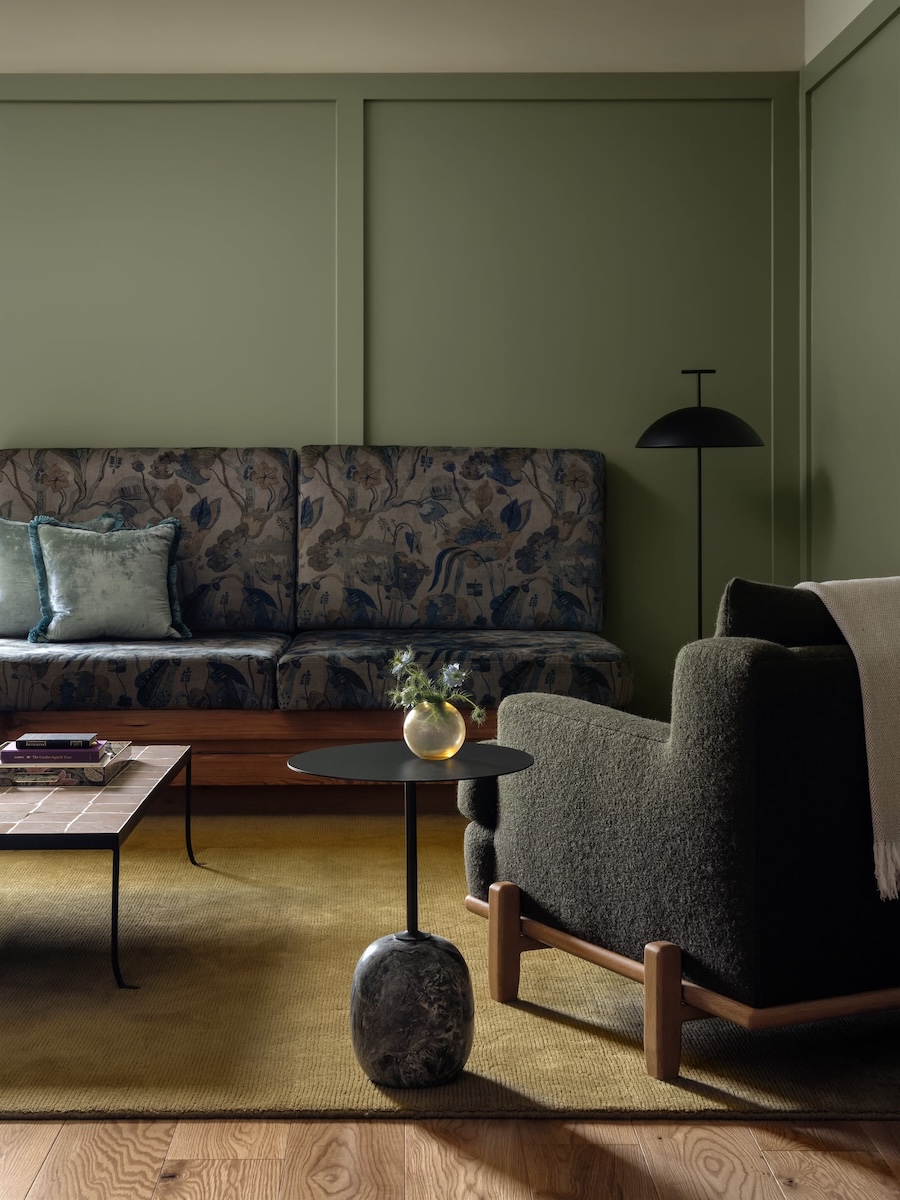
Guest accommodations range from bunkrooms and suites to a standalone private house, all outfitted with custom furniture.
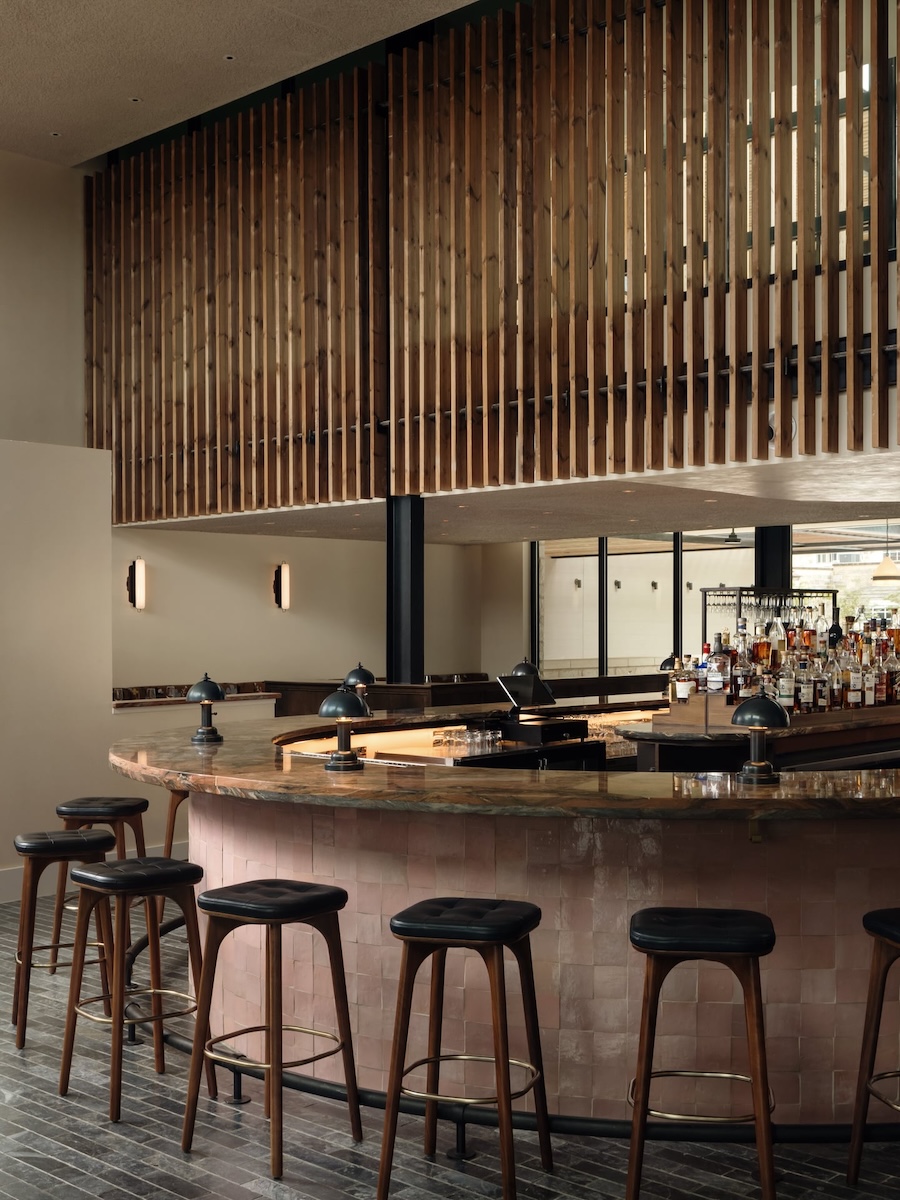
Across the two-acre property, three restaurants, two bars, and a private dining room make the hotel both a lodging destination and social hub for the town.
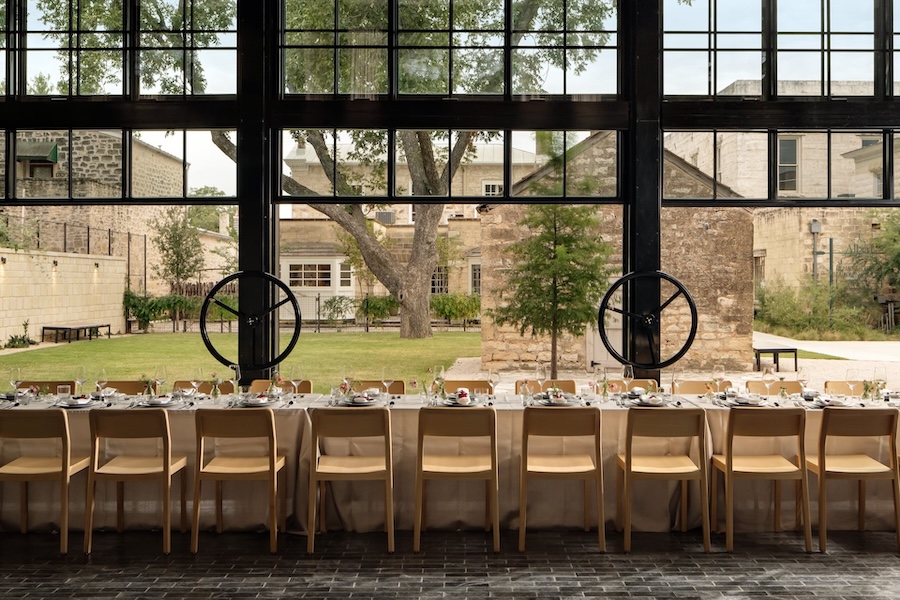
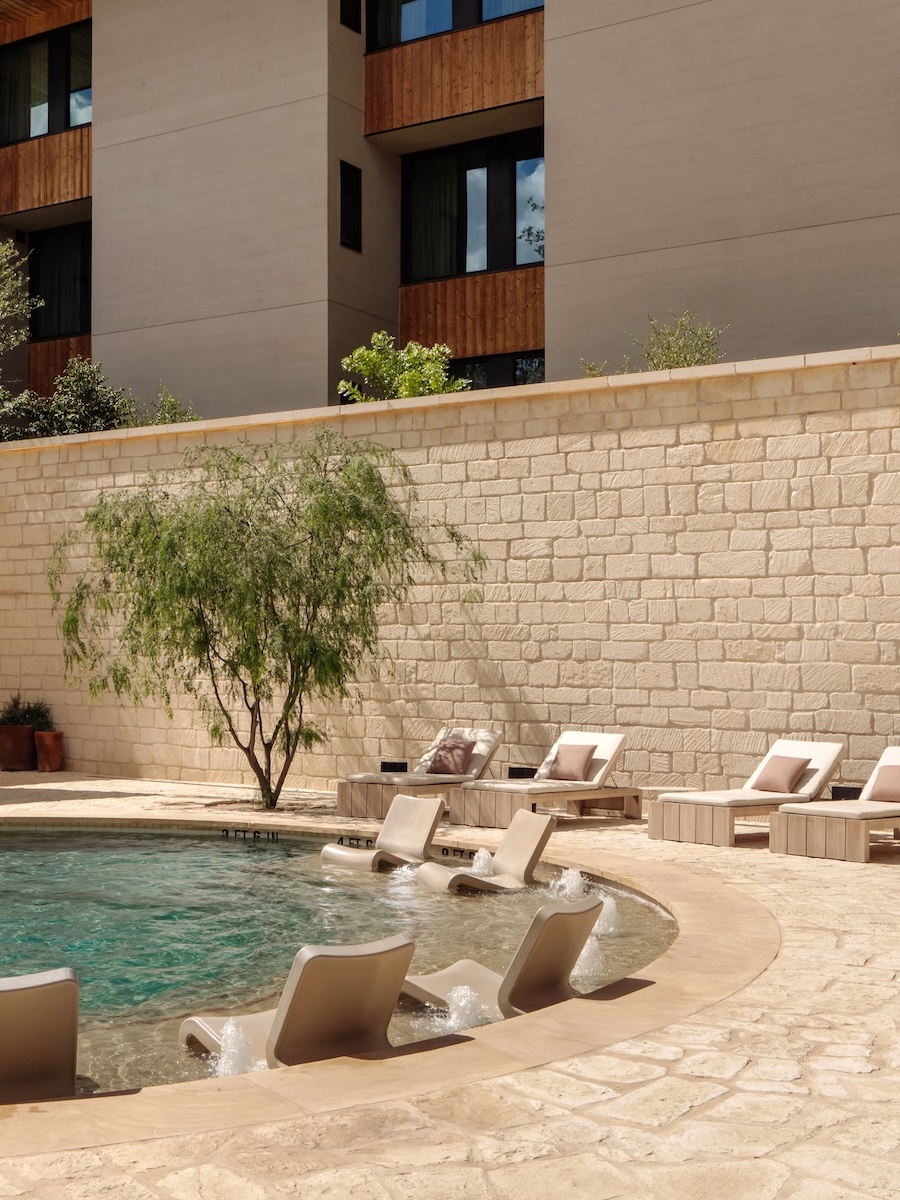
Outdoor amenities include a sunken limestone pool and lounge, while wellness offerings span a fitness center and a 2,000-square-foot spa. For events, the hotel features a 3,600-square-foot dedicated venue, paired with a 1,200-square-foot mezzanine deck and event lawn.
Designing with Texas Hill Country in mind
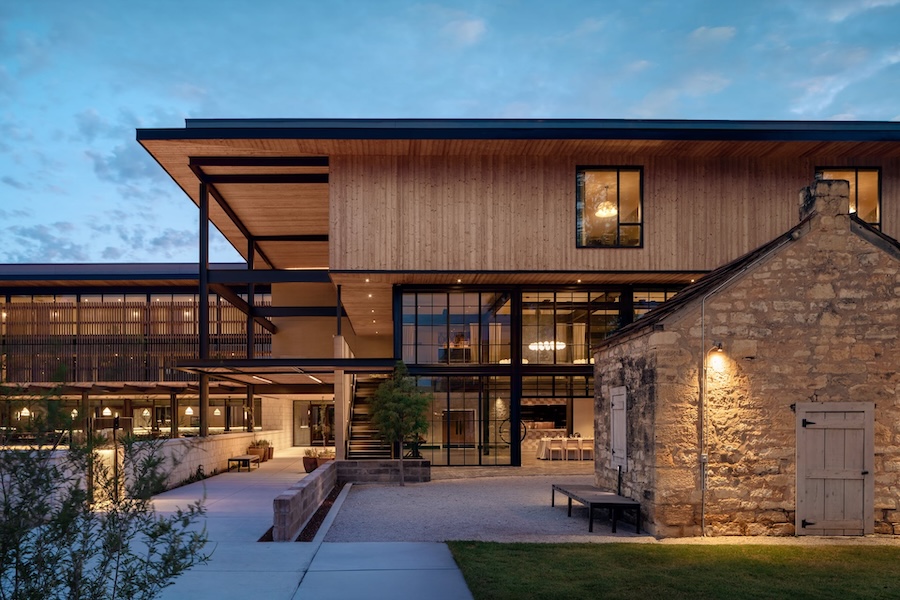
Architecturally, the new construction draws from regional Hill Country precedents. “Designing in a historic context means embracing the layers of time—respecting the past while shaping the future,” says Paul Clayton, principal of Clayton Korte. “The Albert Hotel achieves this delicate balance.”
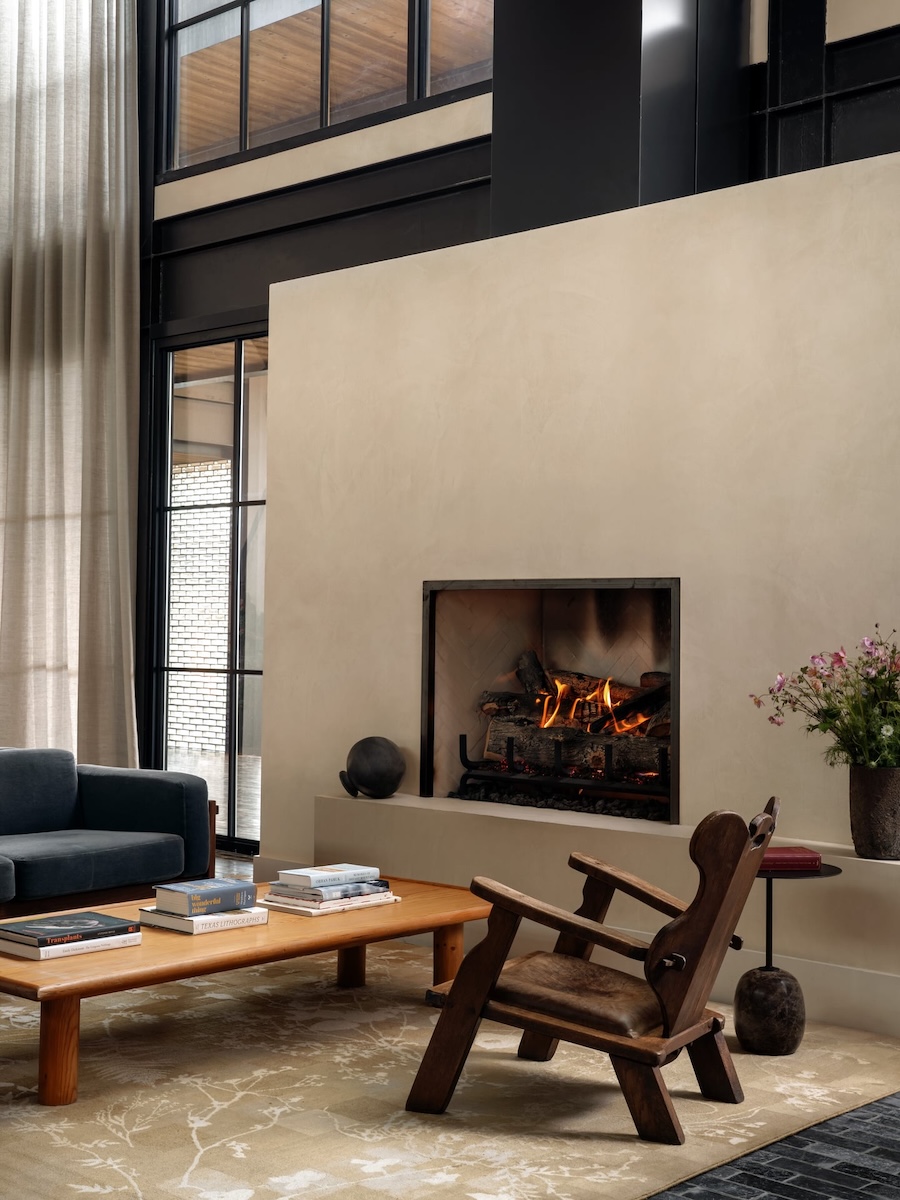
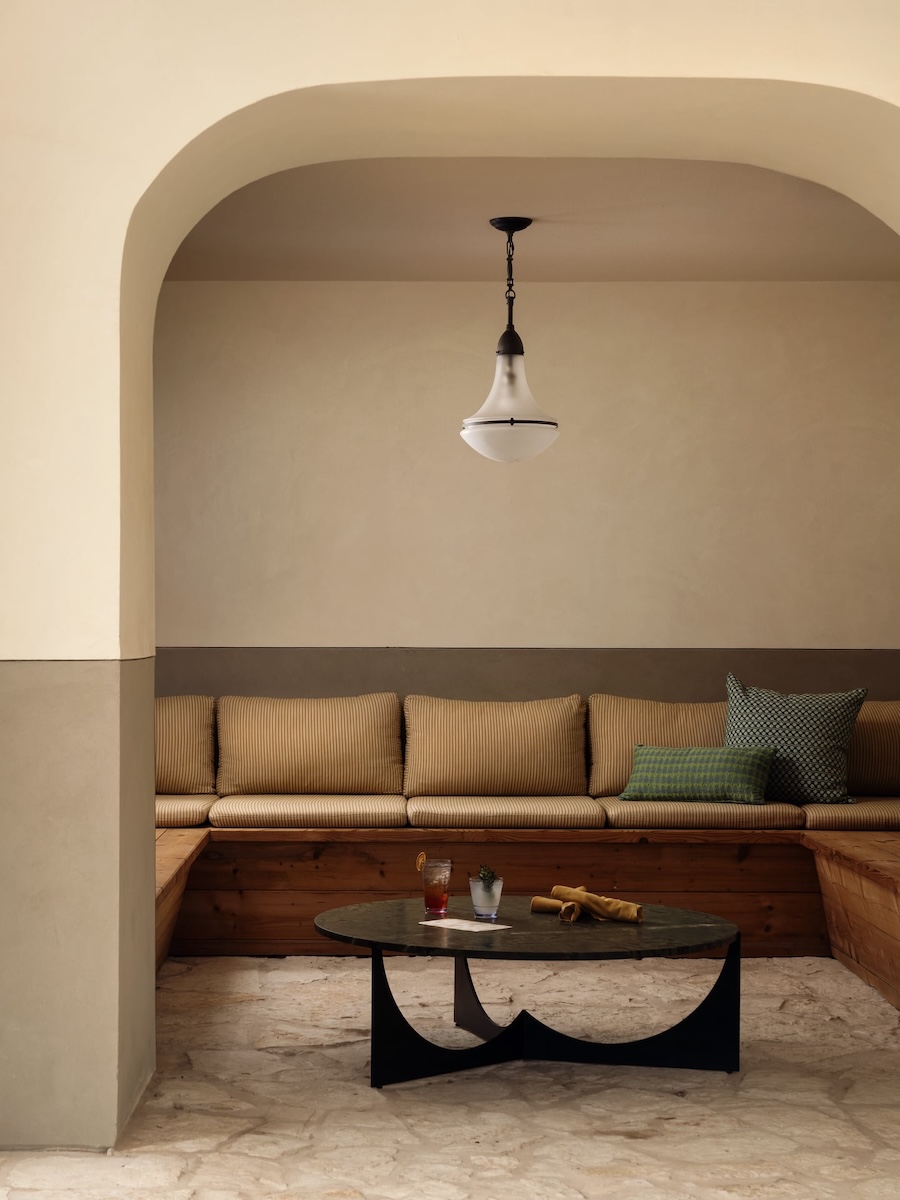
Wood siding is paired with a custom raked-stucco finish designed to capture shifting daylight, while deep roof overhangs mitigate heat and shade outdoor walkways. Interiors lean eclectic and layered, reflecting Albert Keidel’s global outlook while remaining warm and unfussy.
The landscape design incorporates native grasses, live oaks, and mesquites, along with reclaimed materials salvaged from the site to form meandering paths and garden spaces.
“We’ve created a place that honors the legacy of the Keidel family while offering a peaceful, sophisticated retreat,” adds George Wilcox, director of project delivery at Clayton Korte. “The material choices, careful placement of the new hotel behind the historic buildings, and the connection to the landscape all reflect the spirit of the Texas Hill Country.”
More from HD:
The 50 Best Hotel Openings of 2025
The Top Trends in Luxury Travel, According to Olivia Ferney
Trendspotting: Design-Driven Primary Schools