In 2025, development stories reflected a growing emphasis on experience, identity, and wellbeing across the built environment. From transportation hubs evolving into hospitality-driven gateways to nostalgic roadside motels and health-forward residential communities, these projects illustrate how design continues to respond to changing expectations.
Airport design enters a new era
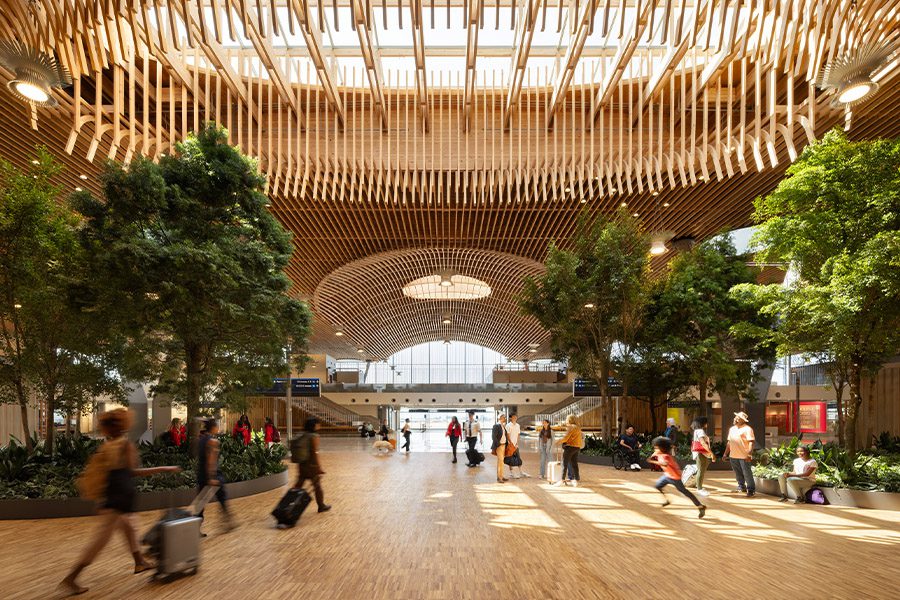
Portland International Airport (PDX)’s nine-acre mass timber roof; photo by Ema Peter Photography
Airport design has entered a transformative era, with terminals worldwide being reimagined as immersive, hospitality-driven environments that blend functionality with aesthetic and cultural resonance. Projects like Red Sea International Airport reflect a shift toward biophilic design, local identity, and sustainable materials, while expanded terminals in cities such as Portland and San Antonio prioritize natural light, greenery, intuitive circulation, and enhanced passenger amenities. Designers are also embedding empathy and accessibility into airports—from wellness areas to family-friendly spaces—signaling a future where travel hubs serve as welcoming gateways that reflect their communities and elevate the traveler experience. Read the full article.
Boutique Motels redefine Route 66
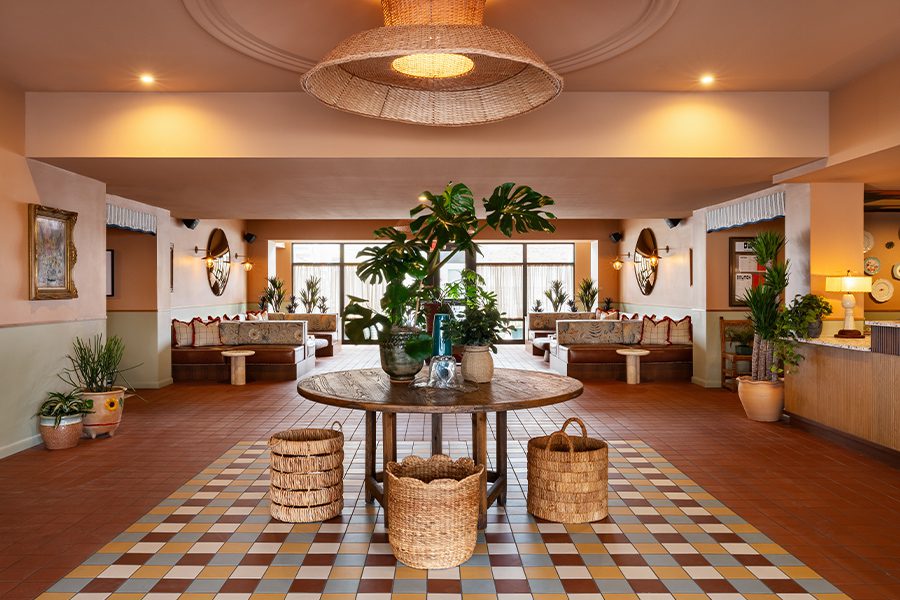
ARRIVE Albuquerque in New Mexico; photo courtesy of Palisociety
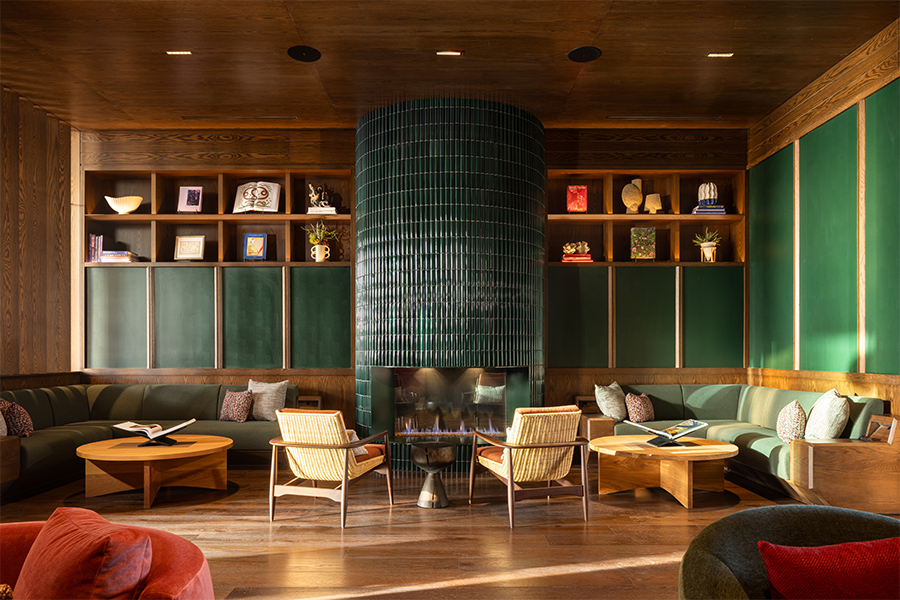
Route 66’s iconic roadside culture experienced a revival this year as boutique motels were reimagined along the historic highway. Developers and brands have acquired and renovated classic motor inns—such as El Rey Court, El Vado, and Monterey Motel—preserving original architectural features while updating interiors with playful, place-inspired aesthetics and modern amenities. New openings like ARRIVE Albuquerque, Imperial, and Mystic Motel showcase how adaptive reuse and thoughtful design are transforming once-declining properties into compelling destinations that honor the romance of road travel and serve today’s experiential travelers. Read the full article.
Luxury residential projects put community and wellbeing at the forefront
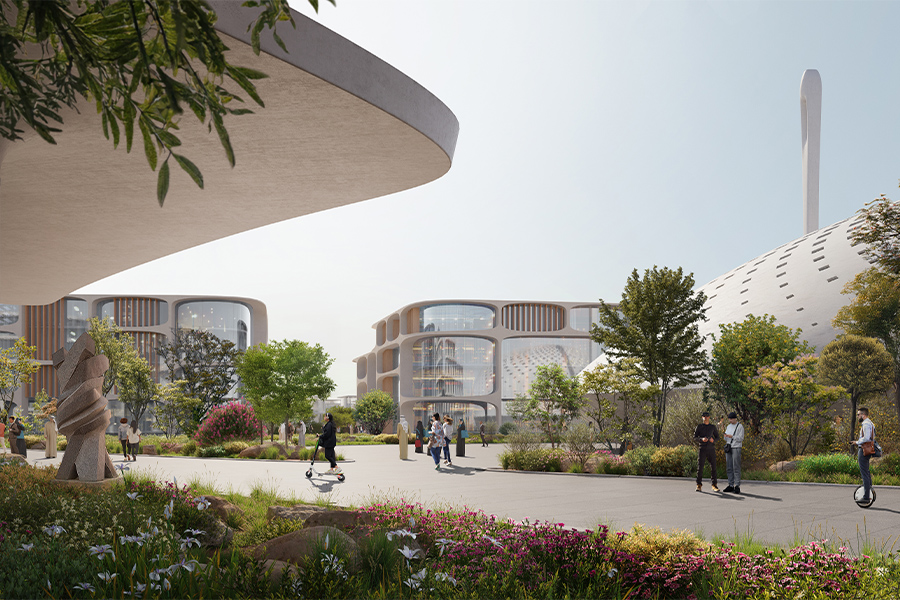
A rendering of Khalid Bin Sultan City in Sharjah, UAE; courtesy of TEGMARK
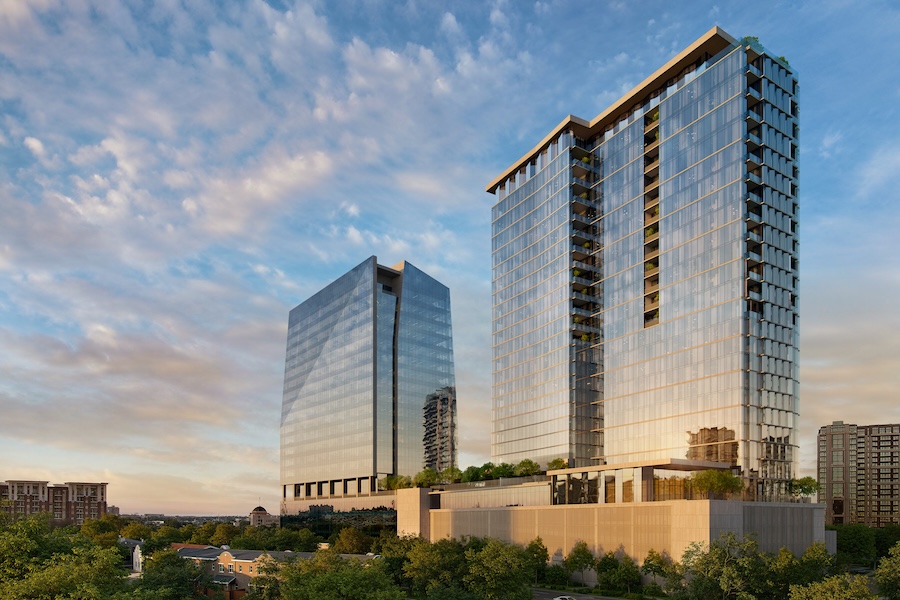
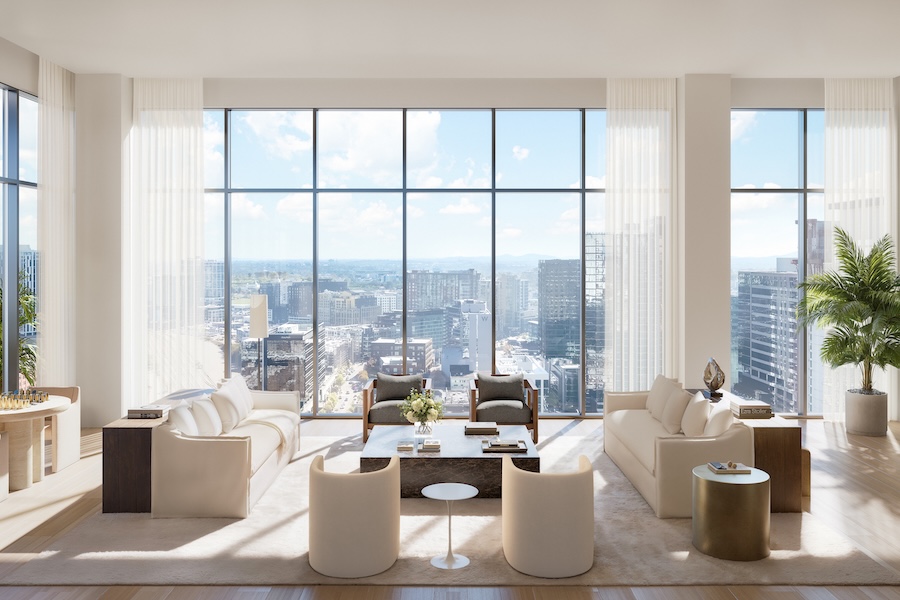
This year, high-end residential developments emerged as a key frontier in wellness- and sustainability-focused design, redefining how communities are built around health, nature, and social connection. Projects around the world—from large-scale mixed-use masterplans in the UAE to amenity-rich residential towers in North America—prioritize wellbeing through green spaces, pedestrian-oriented paths, and holistic lifestyle offerings. Developments integrate thoughtful programming, local materials, and community-centric environments that blend housing with cultural and leisure experiences. This trend reflects a growing market demand for homes that support daily well-being while offering hotel-like services and design sensibilities. Read the full article.