
HD Expo 2026 wrapped up with a strong lineup of panels, where the conversation centered on what makes hospitality concepts hold up in practice—from constraints that sharpen ideas to strategies that help hotels become year-round destinations and the discipline that is required to make great projects work over time. For designers, owners, and operators alike, the message was clear: the strongest projects are not only compelling on paper, but grounded in how people travel, how businesses run, and how spaces perform.
1. Constraints are not the enemy of creativity
Limits can improve design rather than diminish it. During Development Decision Making: Maximizing Value through Data-Driven A&D Strategy, speakers discussed how data is a tool that helps teams make sharper decisions around procurement, budget, and guest experience. In hospitality, projects rarely begin with a blank slate—existing buildings, operating realities, zoning and jurisdictions, intake surveys, and budgets all shape the brief. “I think data gives you constraint to be creative,” says Harper Halprin of AAHA Studio. “Creativity is born out of constraint. Data helps significantly to give you points to design around.”
David Tracz of //3877 added that this is why renovations are so rewarding. “That’s why I look at renovation over a new-built hotel a lot of times because you’re starting with something that has all these constraints that you need to work around,” he says. “How do you manage that, and the budget, yet still create this whole new thing in the process, which is exciting. That’s really the fun part.” Rather than seeing those factors as creative liabilities, panelists positioned them as the framework for stronger, more intentional outcomes.

2. Designing year-round, community-connected destinations
Another major takeaway was the intentional move away from hotels built for just a single season or guest profile. Panelists on The 52-Week Challenge: Why Your Resort Shouldn’t Sleep in the Off-Season stressed the importance of operating properties that function and feel relevant throughout the year. “The opportunity for us was to extend the seasons,” says Randall Stone of Three Ducks Hospitality. “We started to pivot and think about how we could become more of an experienced place versus just a place to sleep overnight.” Pop-ups, local collaborations, multi-night packages, discounts, and specialized experiences go a long way in building a relationship with a guest beyond the peak season. It can even come through experiential touches, like providing a welcome champagne before dinner. “If we can show and demonstrate value through cheeky little moments, people are blown away because they don’t feel nickel and dimed,” says Dominick Perrier-Strand of RC Management Collective, which manages Hotel Albatross along the New Jersey shore.
Community engagement is also a major part of the strategy. “The local community can be just as important as the people traveling into town,” Perrier-Strand adds. “We’re welcoming people in for coffee in the lobby rather than it only being for hotel guests. Because we are so invested in the community, we tend to be at the top of their mind. So when they have people visiting from out of town, we’re the first name that comes up.”
3. Great hospitality concepts depend on disciplined operations
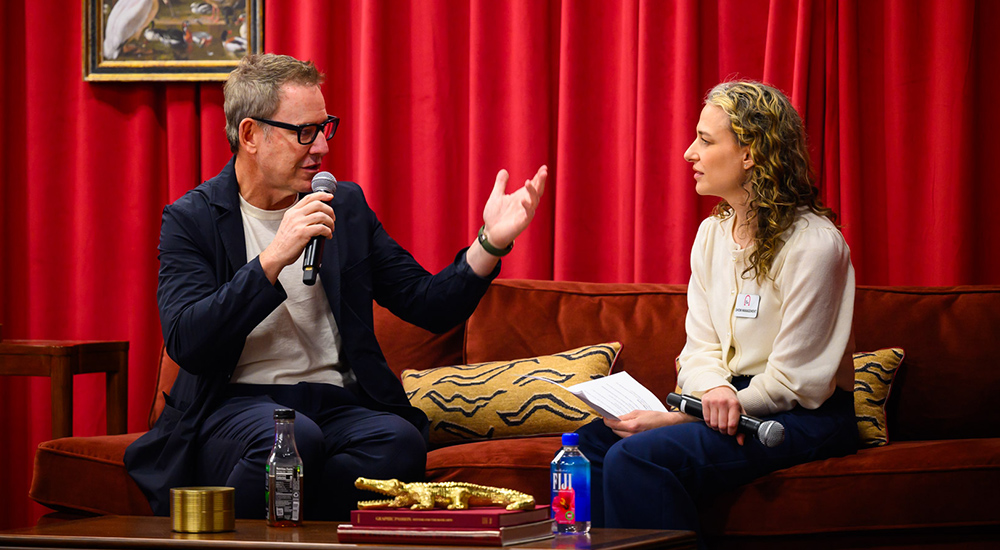
For all the talk around design and experience, day three kept returning to a core truth: operational discipline is non-negotiable. This was summed up most clearly by Sam Fox—founder of Author & Edit Hospitality and Fox Restaurant Concepts—who said: “We run our company one shift at a time and we’re only as good as our last meals served,” during a fireside chat with HD’s editor in chief Alissa Ponchione.
He underscored that success in hospitality is about showing up every day, leading by example and hands-on leadership. “I never really thought I was the owner of any of my businesses,” he shares. “The employees and their guests really own my business, so I show up every day like I’m an employee. I work and I lead by example and show everyone that I’m willing to put in the time.” He reinforced this operational mindset by adding, “I am a big believer in immediate feedback to everyone that works with me.” That openness to learning and accountability extends to facing challenges, too: “Don’t be afraid to make a mistake, just don’t let it happen again.”
READ MORE:
HD Expo 2026: Day One Recap
HD Expo 2026: Day Two Recap
Best Booth Awards