
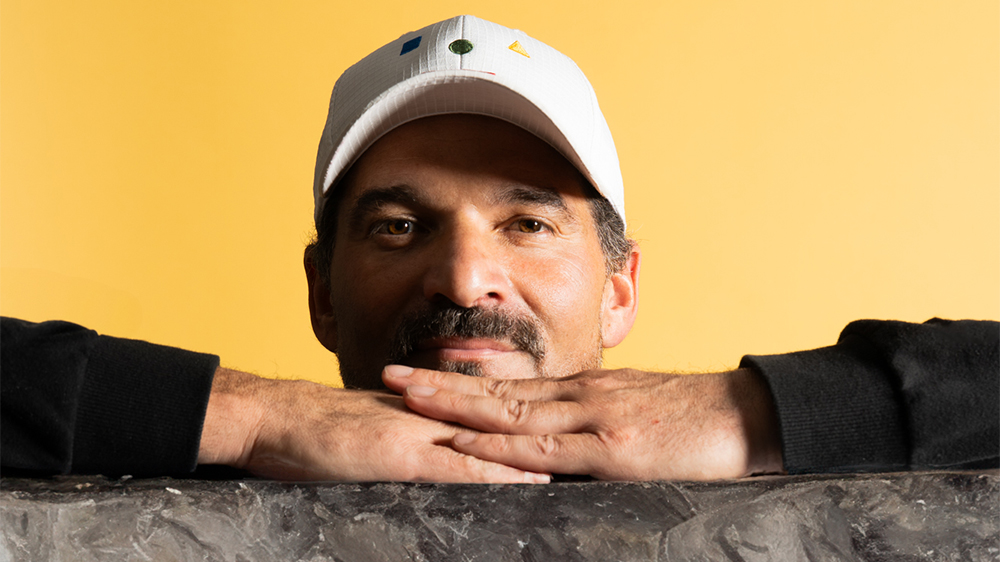
More than 350 sketchbooks are scattered around Jaime Hayon’s home in Valencia, Spain. “If an idea strikes in the kitchen or living room, I capture it immediately,” says the designer. “Inspiration comes from everywhere: a casual conversation, a walk, or flipping open an encyclopedia.”
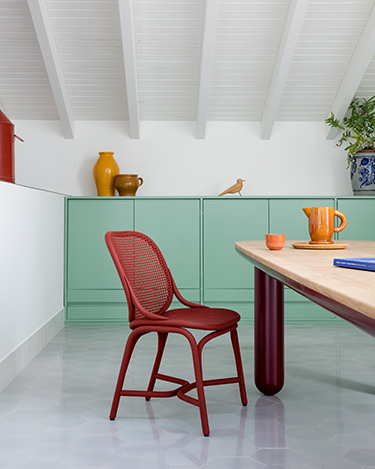
Hayon’s Frames chair for Expormim is made of rattan, with a woven wicker backrest
Since founding Hayon Studio in 2001, Hayon has left his bold imprint on a stream of products and interiors united by a passion for color, humor, and rounded forms. Recent examples include Archeo, a collection of asymmetric side tables-meet-stools made from polyethylene for Magis, and the restoration of Casa Clarita, a 12-key hotel in the center of Valencia decked out with vibrant mosaic flooring and bespoke headboards.
Hayon likens himself to a 21st-century archaeologist, “digging into folklore, nature, and history to unearth characters that reflect different facets of the human condition,” he explains. This investigative design process is a departure from the rigid, hyper-functional Bauhaus philosophy he was taught. The Bauhaus’ limitations confused him because “to me, design was never just a service—it was an invitation to unleash the imagination, explore narrative themes, and experiment,” he points out.
This is why Hayon continuously seeks freedom, pulling from his roots in underground graffiti, skateboarding, and punk rock to fuse the notions of art and design. “I happily operate like a sort of Dr. Jekyll and Mr. Hyde, designing an intricate, highly technical sofa for Fritz Hansen one day and sculpting a giant rocking hot dog for an art exhibition the next,” he says.

Hayon unconventionally kicked off his career with nonfunctional installations and offbeat gallery ceramics. Following his industrial design studies in Madrid and Paris, he spent seven years at Fabrica, Benetton’s research center, where mentors like photographer Oliviero Toscani trained him to cultivate a third eye. Fabrica leaned into a darker, critical aesthetic, prompting Hayon to inject optimism and joy into his work. For him, objects must tell stories that emotionally resonate, and spaces—brought to life much like a magician or film director—aim to “evoke sensory responses the moment you cross the threshold,” he says.
Consider the top floor of the Hyundai Daegu department store in South Korea. Hayon Studio had carte blanche to transform a nearly 50,000-square-foot space into a “living dreamscape,” as he puts it, that reimagines the public plazas and forums of ancient Rome, “places designed for gathering, storytelling, and celebrating life.”
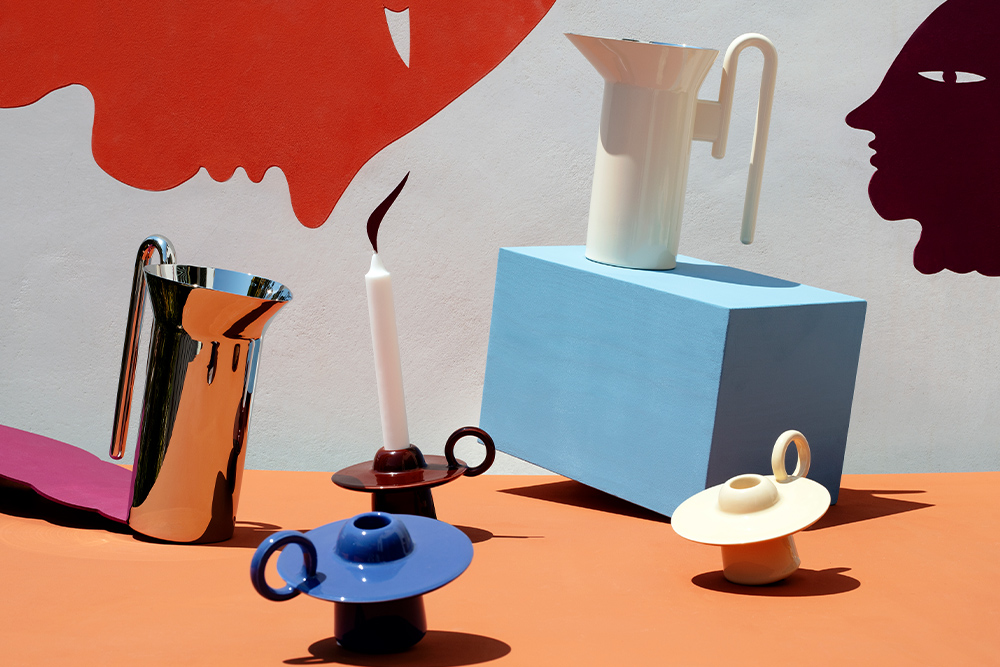
The Momento collection for &Tradition blends functionality with whimsy
Hayon believes in pushing boundaries, alleviating creative stagnation by refusing to settle into comfort. He relishes words like “too crazy” or “impossible,” he says, because they propel him to prove otherwise. This ambitious inclination is fueled by his painting, holing up for days with a canvas, “completely unfettered by commercial briefs or production boundaries,” he explains.
At Hayon Studio, cold, corporate briefs are shunned for continuous, open dialogue. “I say no constantly. The studio is small—more like a close-knit family—so we go for projects where there is genuine love for the work and strong chemistry,” Hayon admits. “I need to meet the people behind the brand to know if they are willing to dream alongside me. I look for partners who share an uncompromising dedication to extreme quality and craftsmanship.”
Soulful design is important to Hayon, so collaborating with skilled artisans to transcend the limits of traditional methods is important to him. “For instance, when designing my wooden chairs in Tuscany, I didn’t just email a 3D CAD file. I sat in the workshop with the master woodcarver, sharing wine, cutting prosciutto, and physically shaping the wooden bones of the chair together,” he recalls. “The magic lives in human connection; vulnerability and imperfection are where beauty resides.”
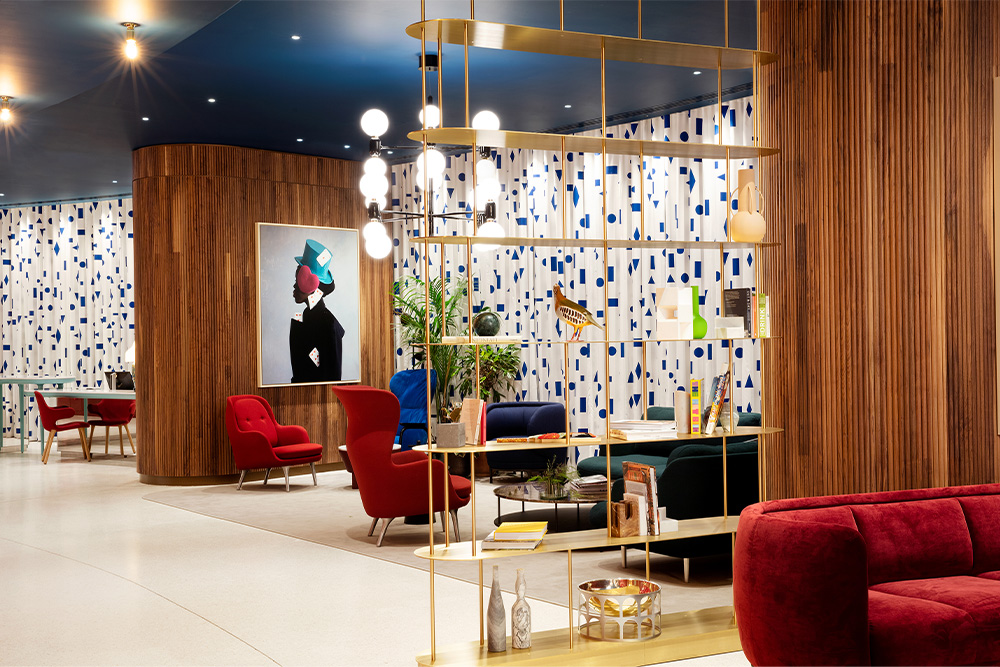
Entering the London Battersea Art’otel is like walking into a living work of art, with nods to surrealism throughout
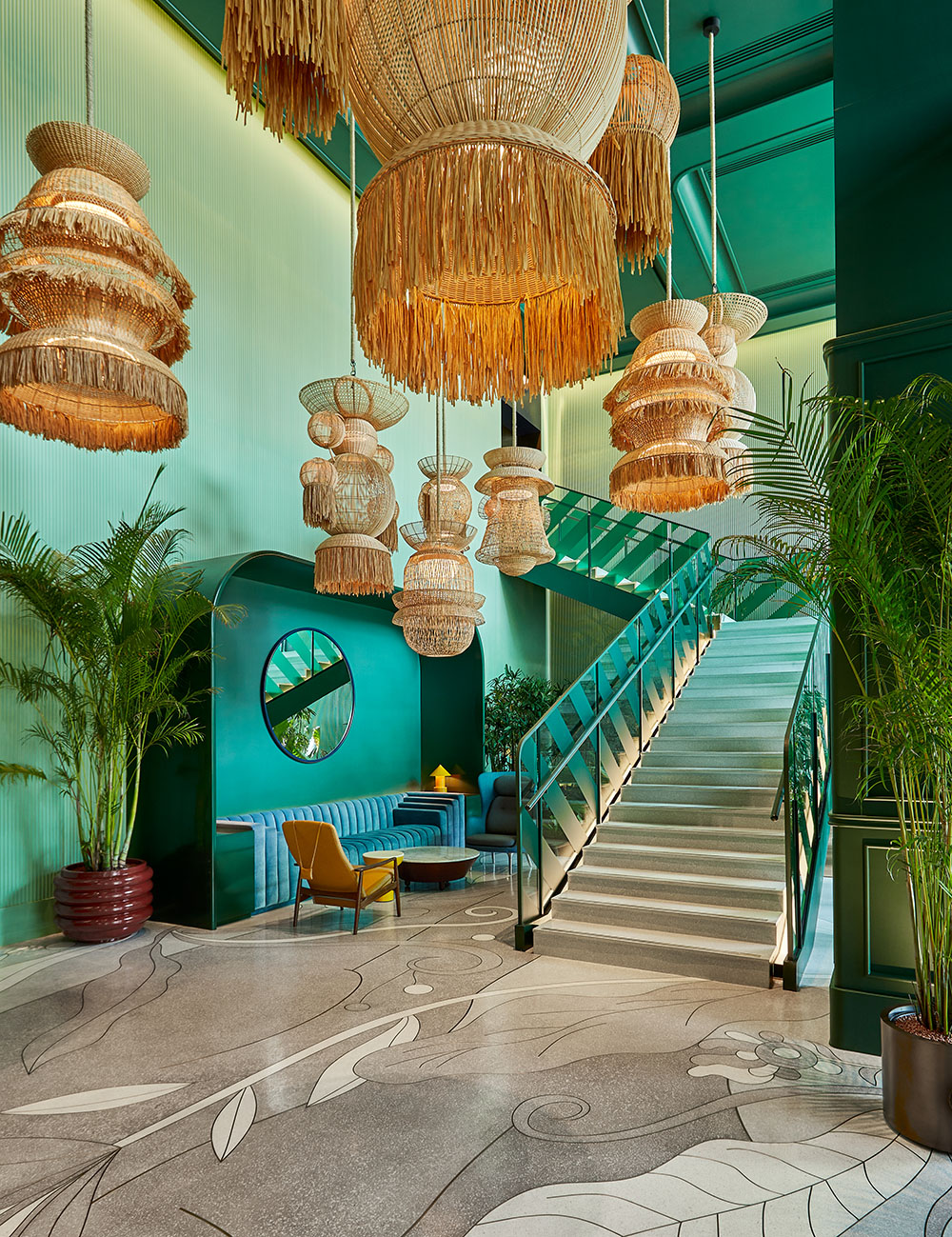
A canopy of rattan lamps characterize the lobby at the Standard, Bangkok Mahanakhon
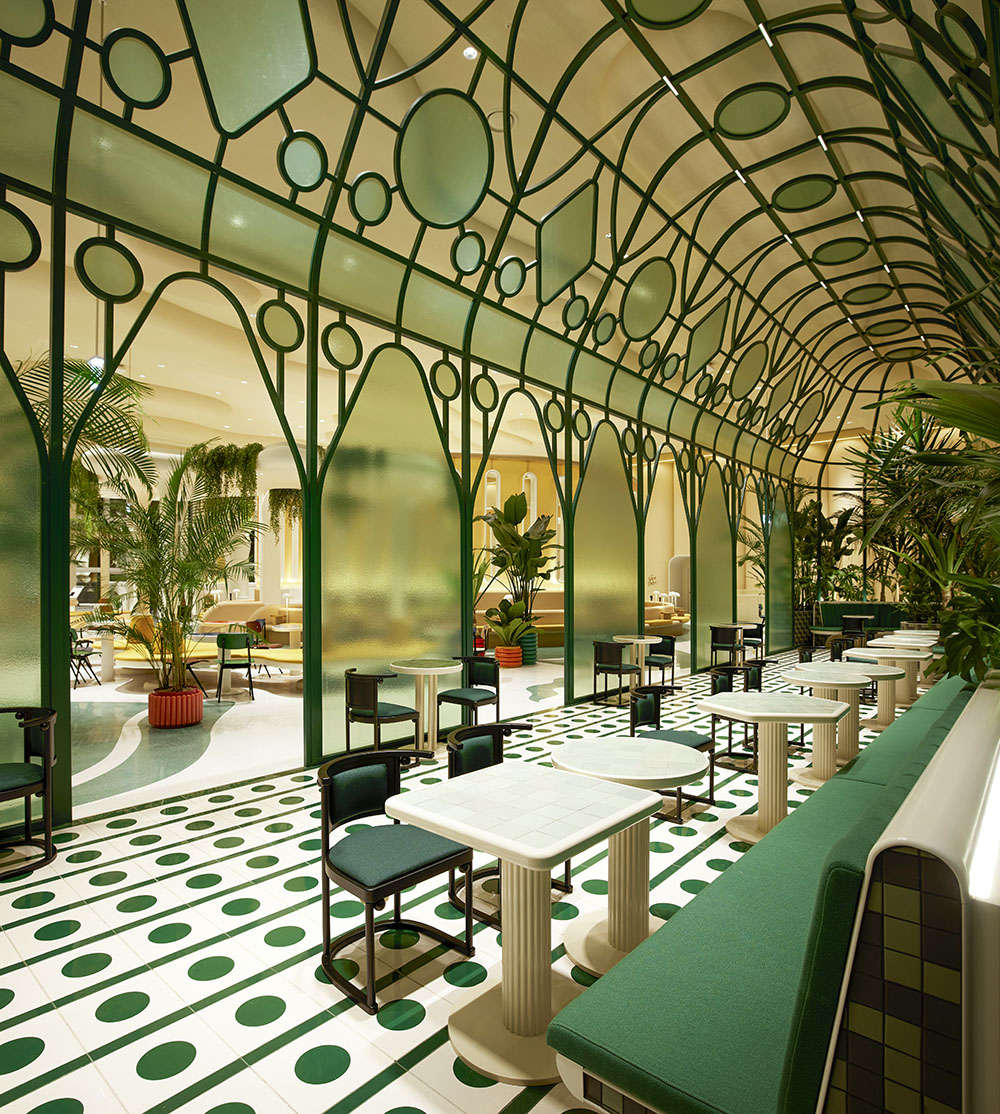
Green metal and glass create the greenhouse-like Forum at Hyundai’s Daegu department store
Photos by Klunderbie, Giovanni Ricco, and courtesy of Jaime Hayon
This article originally appeared in HD’s September 2026 issue.