
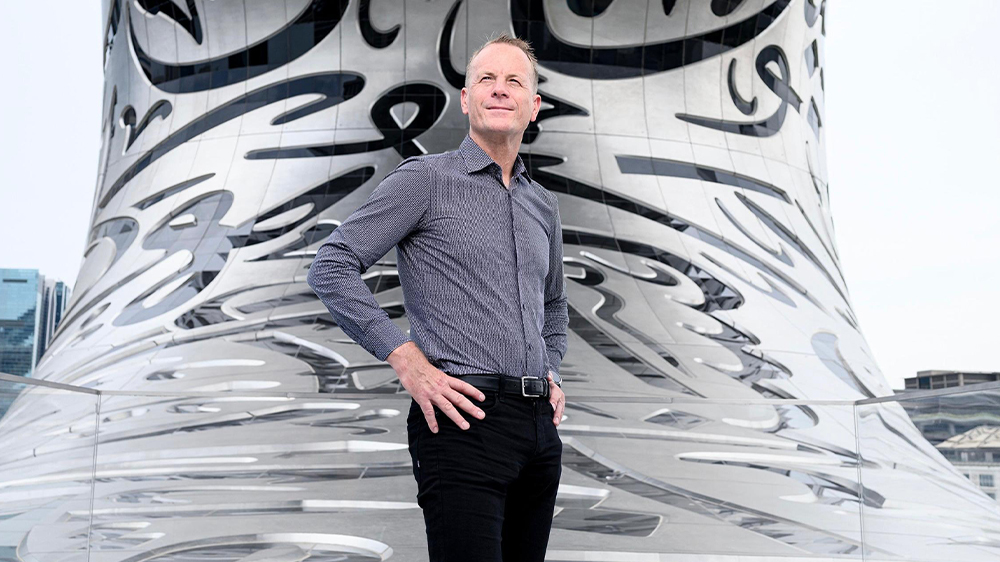
For architect Shaun Killa, the most memorable buildings do more than make a visual statement—they evoke an emotional response. Since founding Dubai-based Killa Design in 2015, the South African architect has pushed the boundaries of design with ambitious projects like the otherworldly Shebara Resort in Saudi Arabia, the superyacht-inspired Jumeirah Marsa Al Arab, and the Museum of the Future, both in Dubai. Behind these architectural feats is a philosophy rooted in purpose, a sense of place, and environmental responsibility.
Here, Killa discusses the power of collaboration, the evolving meaning of luxury, and why the future of hospitality lies in creating meaningful and memorable experiences.
What is your design philosophy?
Shaun Killa: Design begins with purpose, not form. Each building should emerge from its place, its culture, its climate, and the experience it’s meant to create. I’m always trying to create architecture that is emotionally powerful, deeply contextual, and purposeful. Ultimately, I want the work to feel timeless.
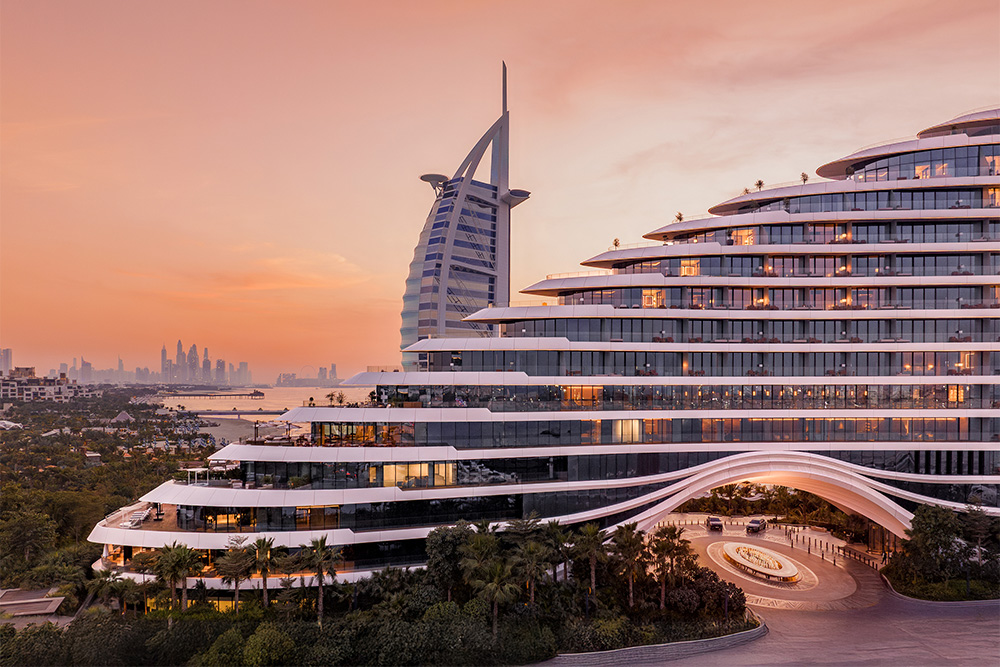
Boasting interiors from AvroKO, HBA, LTW Designworks, and Tristan Auer, Dubai’s Jumeirah Marsa Al Arab mimics a superyacht setting sail; photo by Rupert Pearce
What makes a building memorable?
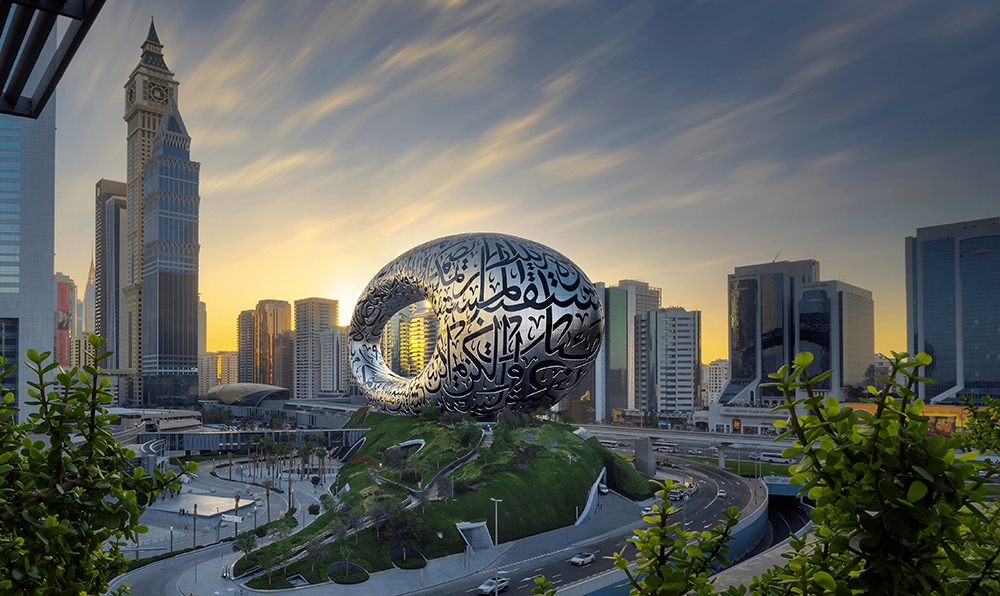
SK: Memorable architecture creates moments of curiosity, wonder, and connection. The sweeping arch at Jumeirah Marsa Al Arab’s porte-cochère establishes a dramatic sense of arrival, drawing guests into a monumental space. At the Museum of the Future, natural light filters through the Arabic calligraphy into the column-free atrium and exhibition spaces, creating a constantly evolving interplay of shadow and glow. Architecture should uplift people, connect them to place, and create memories that remain long after they leave.

What excites you most about hospitality today?
SK: Shebara Resort is a good example of where I think hospitality is heading. It’s a 73-key hyper-luxury eco-resort in the Red Sea that operates entirely off-grid, with its own renewable-energy, desalination, water-recovery, and waste systems. The mirrored stainless-steel villas reflect the sea and sky and almost disappear into the landscape, while extensive off-site fabrication helped minimize disturbance to the island. The sustainability is not separate from the luxury experience; it is part of what makes the destination [stand out].
Is there a project that changed the way you approach architecture?
SK: The Museum of the Future was one of the first projects we won as Killa Design, and there was no real precedent for what we were trying to achieve. The form, the calligraphy, the structure, and the façade all had to work as a single integrated system. That idea remained constant throughout a complex design and construction process. It also reinforced how powerful collaboration can be. More than 1,000 unique structural nodes and 1,024 façade panels had to come together with extraordinary precision.
What is your leadership style?
SK: My role is not to have all the answers. It is to create clarity around the ambition of a project and give talented people the confidence and freedom to push it further. The studio has to be a place people enjoy being. That matters more than people sometimes realize.
Mirrored stainless-steel orbs hover above the Red Sea at Saudi Arabia’s Shebara Resort, with interiors by Studio Paolo Ferrari and Rockwell Group; photo courtesy of Museum of the Future
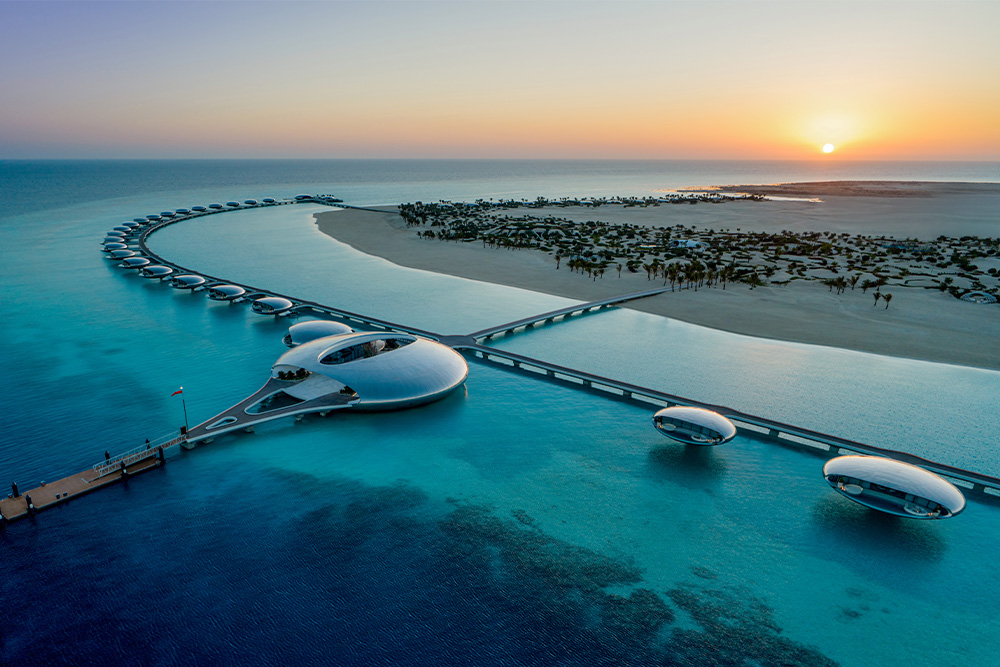
Mirrored stainless-steel orbs hover above the Red Sea at Saudi Arabia’s Shebara Resort, with interiors by Studio Paolo Ferrari and Rockwell Group; photo courtesy of Red Sea Global
This article originally appeared in HD’s October 2026 issue.