
Wellness is no longer confined to a treatment room, gym, or prescribed routine. A new generation of entrepreneurs is approaching wellbeing as something more expansive—rooted in culture, creativity, connection, and a deeper understanding of the individual.
At Cure Nailhouse in Detroit, Cyndia Robinson is reclaiming the cultural history of nail care while creating a space for community and self-expression. In Austin, Submersive founder Corvas Brinkerhoff is merging immersive art, sensory technology, and ancient bathing traditions to create a new kind of social wellness experience. And in New York and Shanghai, Zoey Gong is bridging Western nutrition with traditional Chinese medicine to make centuries-old practices more accessible to modern audiences.
Together, their approaches point to a broader evolution in wellness—one that is less about optimization and more about how we live, connect, and understand ourselves.
Cyndia Robinson
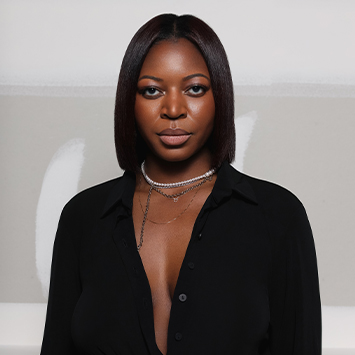 For Cyndia Robinson, founder and creative director of Cure Nailhouse, nails are more than self-care—they’re a form of expression that pushes back against historically restrictive beauty standards. At the heart of the Detroit nail salon is a mission to reclaim a culture the mainstream has co-opted, often without recognizing its Black origins.

After earning a journalism degree from Oakland University in Rochester, Michigan, Robinson returned home to Detroit and found a city changed. “There was barely any representation,” she recalls of the nail salons. “There weren’t spaces with people who looked like me who were doing this work.”
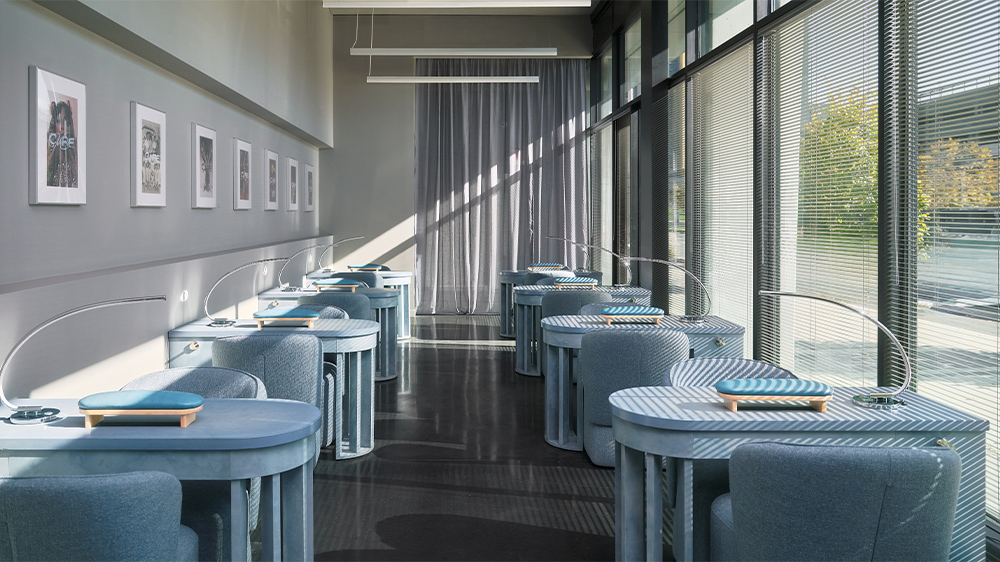
The disconnect was particularly striking for Robinson, who grew up accompanying her mother to nail appointments before experimenting with her mom’s cosmetology tools at home. When she turned 10, her mother transformed the family basement into a mini nail salon. Today, those childhood memories have evolved into Cure Nailhouse. For the design, Robinson partnered with Et Al. Collaborative and Duett Interiors founder Tiffany Thompson to create a space where brass and aluminum meet Roman clay and limewash. A stainless steel bar framed surrounded by chrome stools anchors the space, and soft blue hues give way to a rich maroon tone. “The goal was to create a material and color palette that captured Cure’s essence while feeling timeless,” says Thompson.
Cure was never intended to be just a salon. The studio recently expanded with Craft, a school addressing the lack of accessible cosmetology education within Detroit’s city center. Robinson also envisions Cure as a gathering place, a space where people can show up if “they want to feel understood without having to overexplain,” she says.
For Robinson, success “is building something that feels honest to the original vision, even as it grows,” she says. “[It’s] when Cure becomes a space where artists feel supported, where Black women and femmes feel seen, and where beauty is understood as culture, labor, memory, and art.”
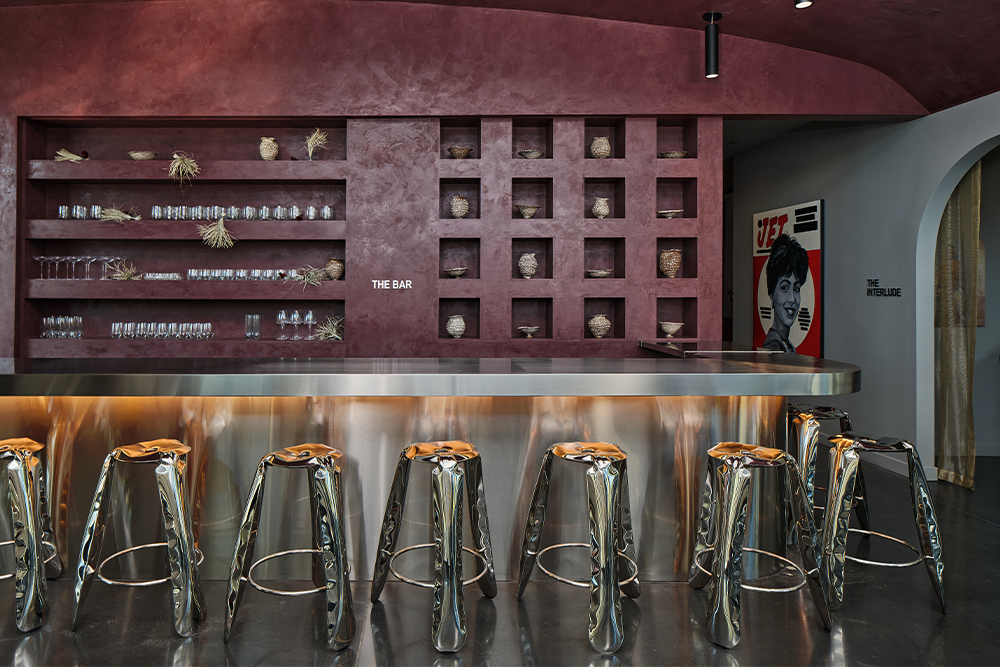
Metal stools contrast rich hues at Cure Nailhouse; photo by Pablo Enriquez
Corvas Brinkerhoff
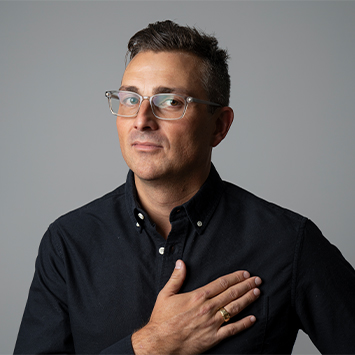 The idea for Submersive was always percolating in Corvas Brinkerhoff’s mind. As an immersive artist and the cofounder of Meow Wolf, an experiential art corporation with five locations across the U.S., Brinkerhoff knows the value of mixing art with a sensory experience. When his Austin bathhouse opens next summer, that pioneering spirit will take a new form—one that is anchored in wellbeing.
“The idea was born 18 years ago,” he explains. “We had just founded Meow Wolf, and I was going to Japanese-style bathhouses in the mountains of northern New Mexico. I found an incredible power and benefit from these ancient thermal bathing practices. I started to wonder if immersive art could make people feel good.”
The idea for Submersive dovetailed with Brinkerhoff’s instinct to do something that “aligned with my own sense of purpose,” he says. “I wondered if I could create experiences that were more impactful than an entertainment experience is capable of, and then this wonderful thing happened: the world caught up with the idea at the same time.”
Spanning 20,000 square feet of indoor-outdoor multisensory environments, Submersive will offer all the serenity and solace associated with wellbeing today, paired with sophisticated lighting systems, video interactivity, and sound design.
All of these modalities are backed by a powerhouse board of scientific advisors, including neuroscience experts like Joseph Pine II, co-author of The Experience Economy and The Transformational Economy; Susan Magsamen from Johns Hopkins University School of Medicine; and Dr. Adam Gazzaley, founder and director of Neuroscape, a translational neuroscience center at the University of California, San Francisco. “By working with these scientists, it gives us a way of understanding how these different sensory levers can be pushed and pulled to deliver different outcomes.”
While Submersive is setting out to be a new kind of bathhouse, it’s also about bringing people together and “acknowledging that fundamental human need for connection,” he says, “and what better way to do that than with spaces that are oriented around art and human expression as well as relaxation.”
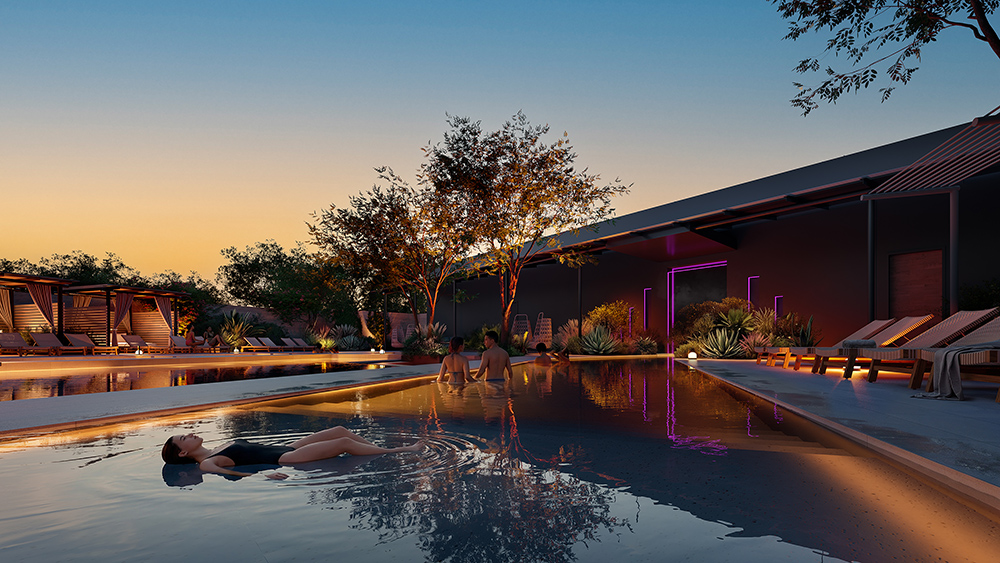
When Submersive opens next summer in Austin, it will boast 20,000 square feet of multisensory environments; rendering courtesy of Submersive
Zoey Gong
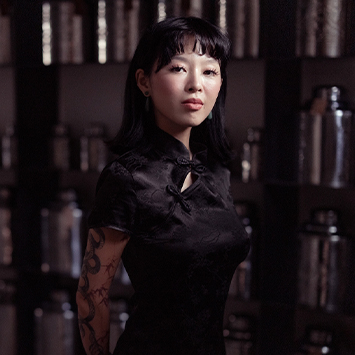
Zoey Gong’s Chinatown herb tours lead customers through the narrow aisles of herbal shops tucked into the heart of Lower Manhattan, where the earthy aromas of roots and dried botanicals fill the air. Along the way, Gong translates the complexities of traditional Chinese medicine (TCM) into something approachable, connecting centuries-old practices to everyday life.
Born in Shanghai, Gong’s earliest memories of TCM are rooted in her grandparents’ kitchen. She recalls helping her grandmother prepare chicken soup infused with goji berries, snow fungus, and other medicinal ingredients, while later enduring bitter herbal remedies prescribed for childhood skin conditions. “The memory is so vivid. I can still remember the exact cup I was drinking from,” she says.
At 16, Gong moved to Pennsylvania for high school before enrolling at New York University to study nutrition. After becoming a registered dietitian and working in New York hospitals, she grew disillusioned by what she saw as the limits of Western approaches to health. At the same time, she was grappling with her own health concerns, which she says were resolved through acupuncture and herbal medicine after years of ineffective conventional treatment. Experiencing both systems firsthand prompted her to study TCM formally at Pacific College of Health and Science in New York in 2019.
This dual perspective now shapes Gong’s practice, which blends clinical nutrition, Chinese culinary traditions, and TCM theory into a holistic approach centered on food therapy. Rather than focusing on restriction, Gong teaches clients how to understand seasonality, body constitution, and the medicinal qualities of ingredients. Through consultations, cooking classes, and herb and culture tours, she aims to make wellness more accessible and sustainable.
Gong is now bringing her work back to where it first began. In 2024, she opened Silver Root Apothecary in Shanghai. Part workshop, part retail apothecary, and part residency for visiting practitioners, the space reflects Gong’s modern interpretation of TCM. It also houses a curated selection of herbs that Gong personally gathers from farms and growers across China.
Across every facet of her work, Gong sees herself as a teacher. “I want people to start incorporating TCM in their everyday lives and understand their body more,” she says. “I want to create this curiosity for people.”
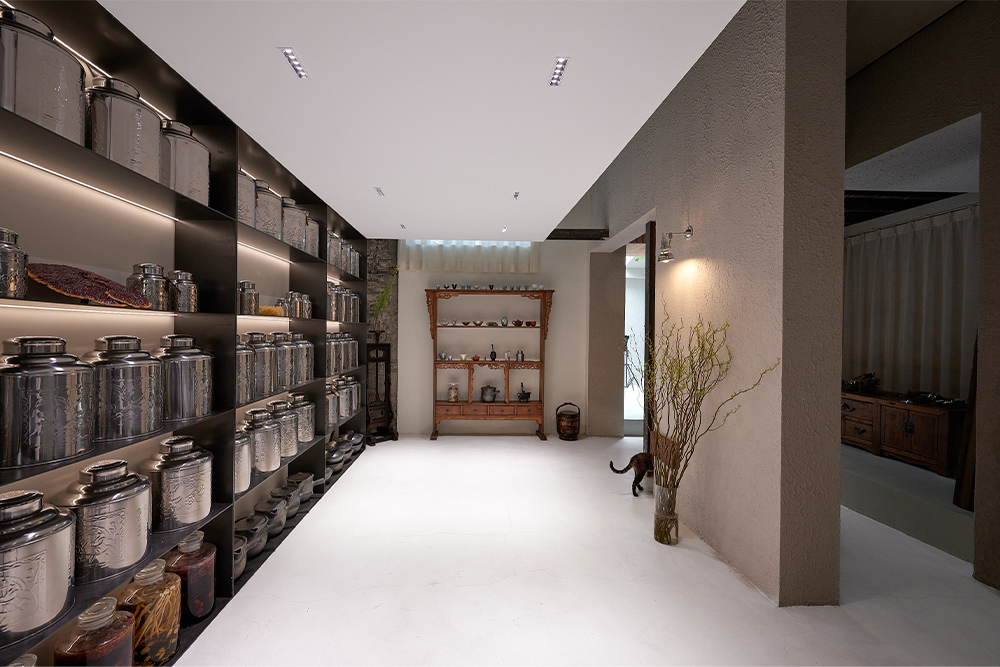
Silver Root Apothecary hosts a range of wellness-related classes; photo by Brandon William McGhee and headshot (above) by Matjaz Tancic
This article originally appeared in HD’s July 2026 issue.