HOSHINOYA Nara Prison has opened in central Japan’s Nara Prefecture. The luxury hotel occupies the former Nara Prison, a government-designated Important Cultural Property.
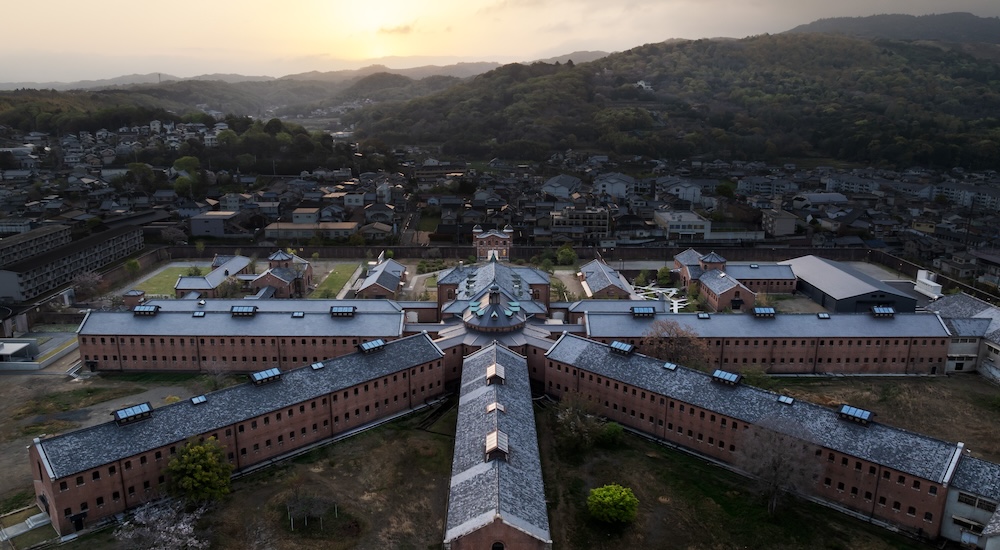
Nara Prison, built in 1908, is one of the Five Great Prisons of Meiji and the only one that remains intact. Across the 25-acre site, Hoshino Resorts has created an integrated destination that includes a hotel and the Nara Prison Museum, connected via a guest-only pathway.
A design concept rooted in Meiji history
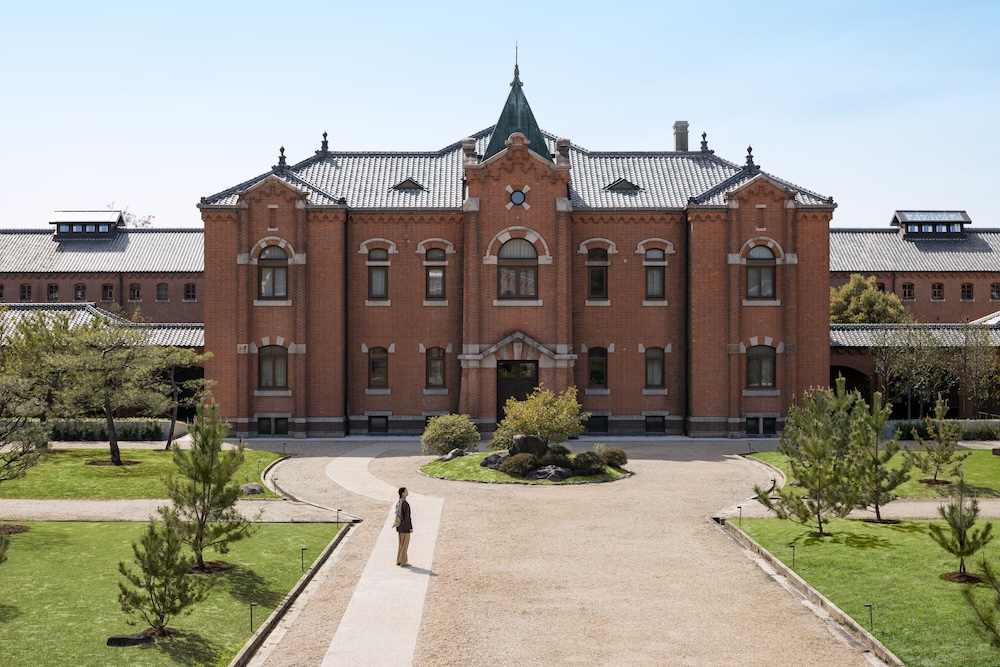
The project’s vision was helmed by Azuma Environmental Architectural Research Institute, in collaboration with Yasui Architects & Engineers, ICE Urban Environmental Lighting Institute, and landscape designer Hiroki Hasegawa.

The design draws directly from the Meiji era—Japan’s period of rapid Westernization—to inform every layer of the guest experience. Guests enter through the original main gate, where the former central guardhouse and its radial cell blocks immediately come into view. This inherently institutional geometry has been reinterpreted as a modern corridor design, preserving the spatial logic of the original structure while elevating it into something architecturally distinct.
From cell blocks to private rooms
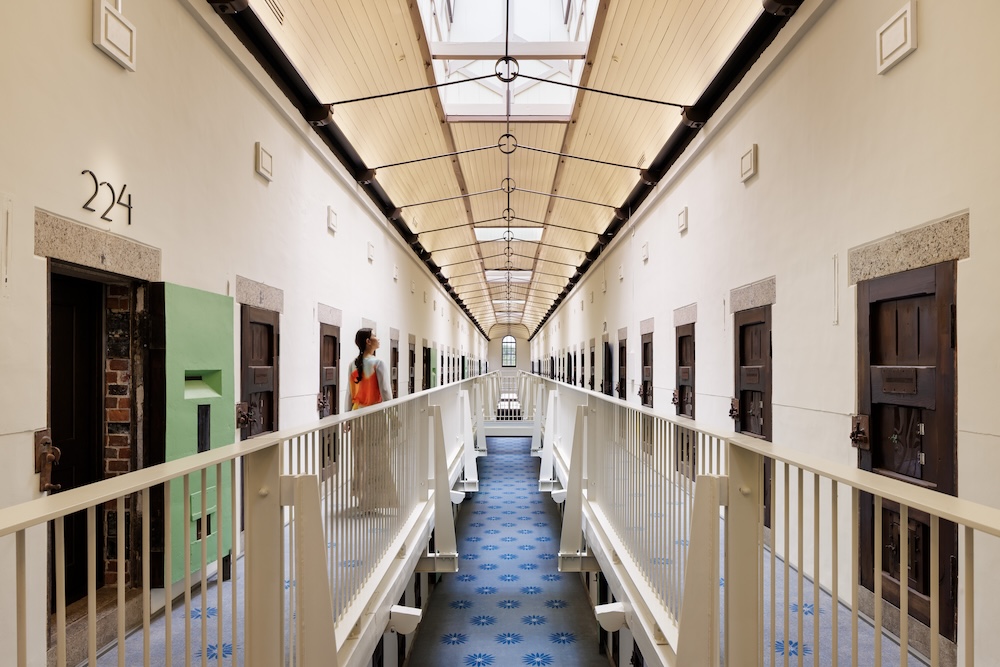
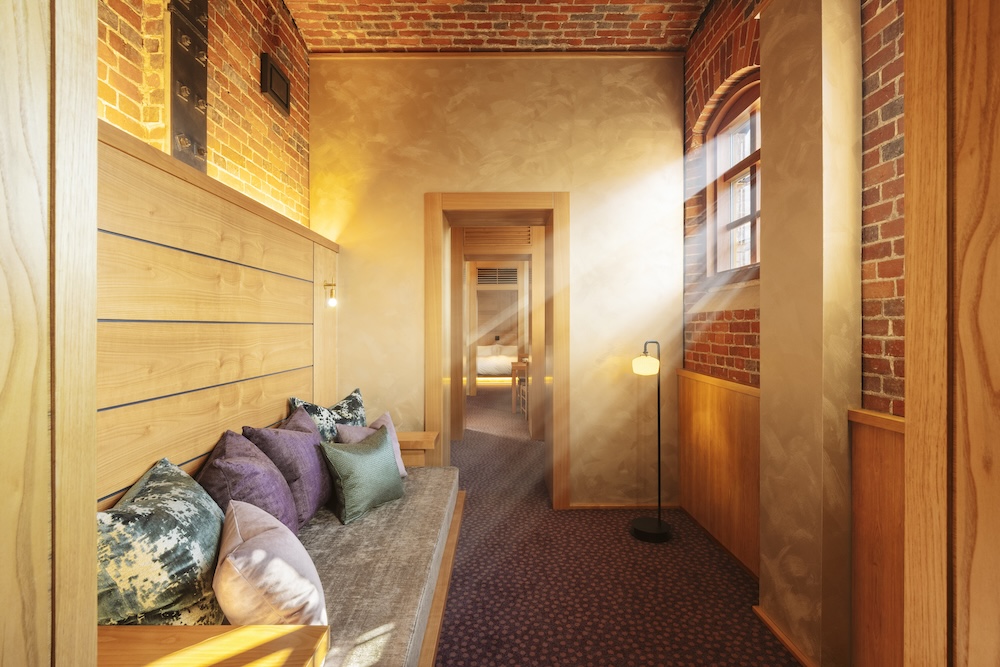
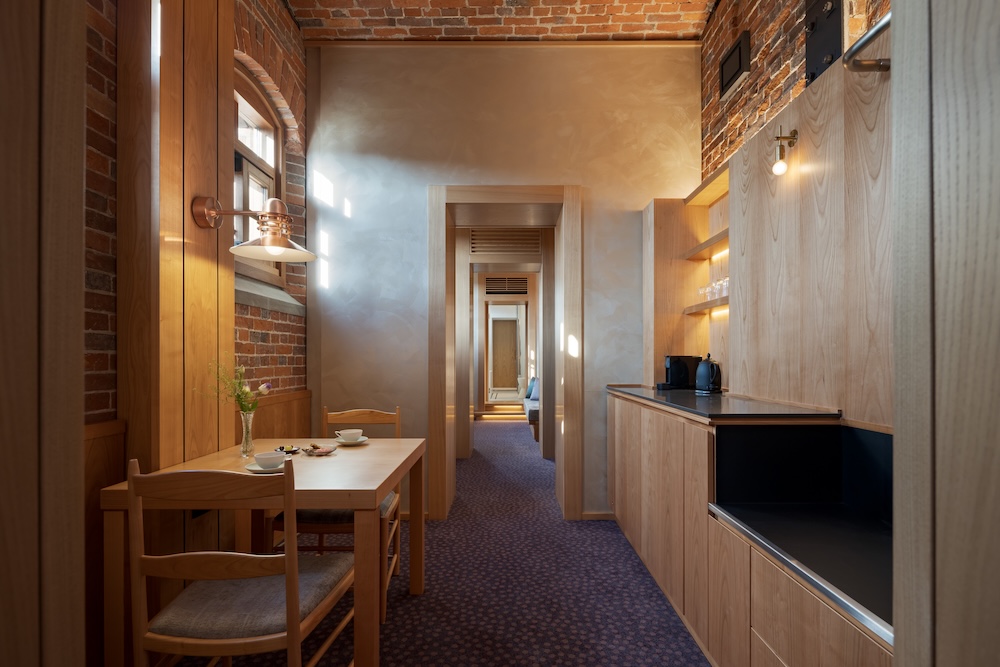
The 48 guestrooms were created by connecting former cell blocks into expansive suite configurations. Three room types are available, with the 11-Cell Deluxe offering the most generous footprint, complete with a dressing lounge and living space.
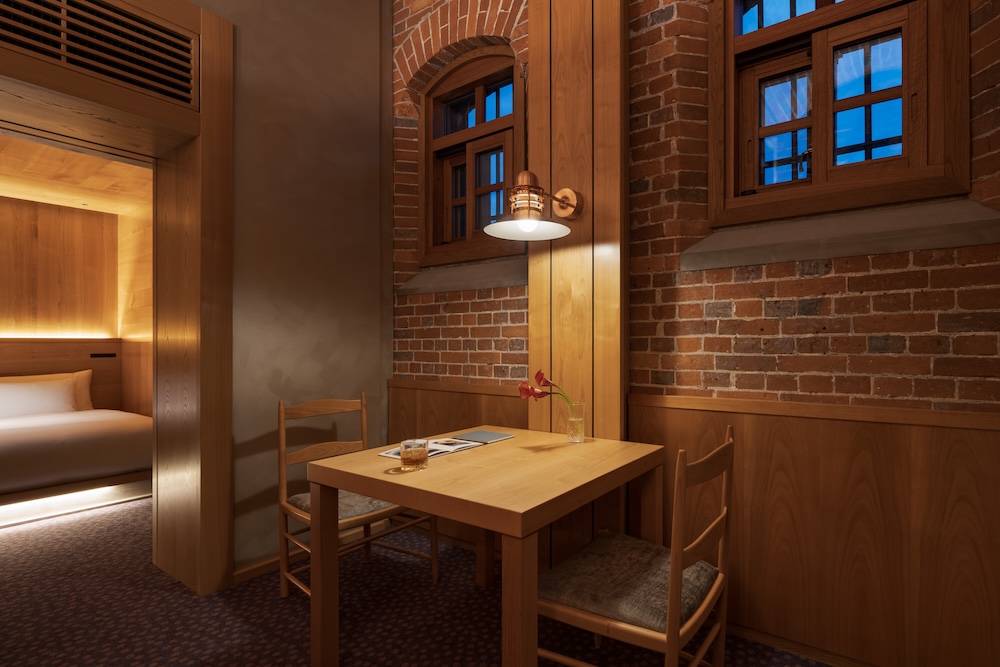
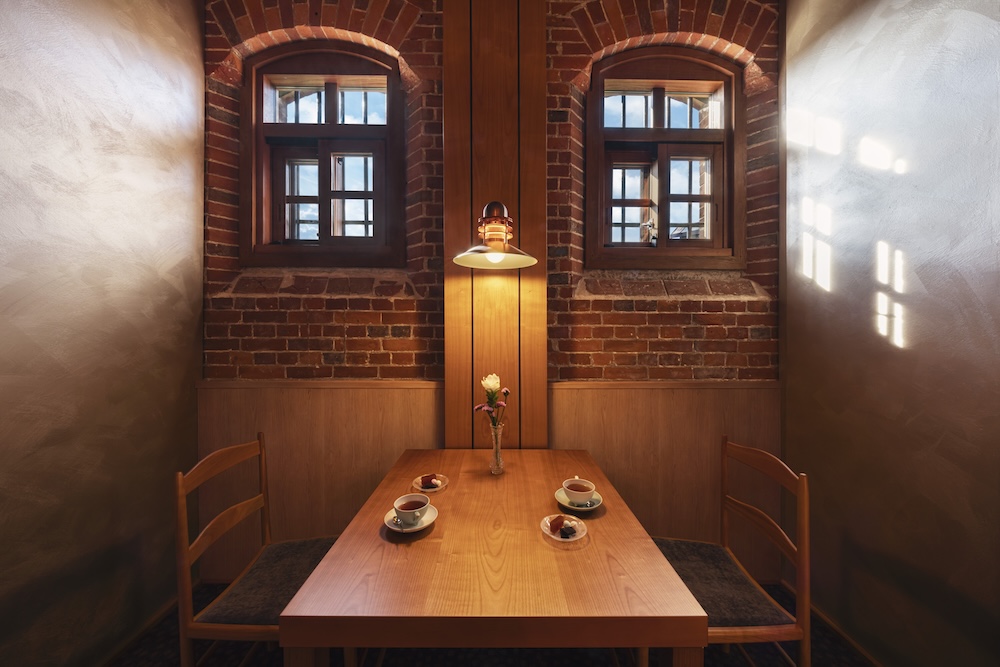
Throughout the interiors, original architectural features have been deliberately foregrounded: hand-laid brickwork is exposed beneath original plaster finishes, ceiling moldings retain their historic profiles, and rugged steel pillars introduced during renovation stand in deliberate contrast to warm wood paneling.
Amenities include curated room wear, a book collection, custom fragrances, and a selection of wines and local sake.
Communal spaces at HOSHINOYA Nara Prison
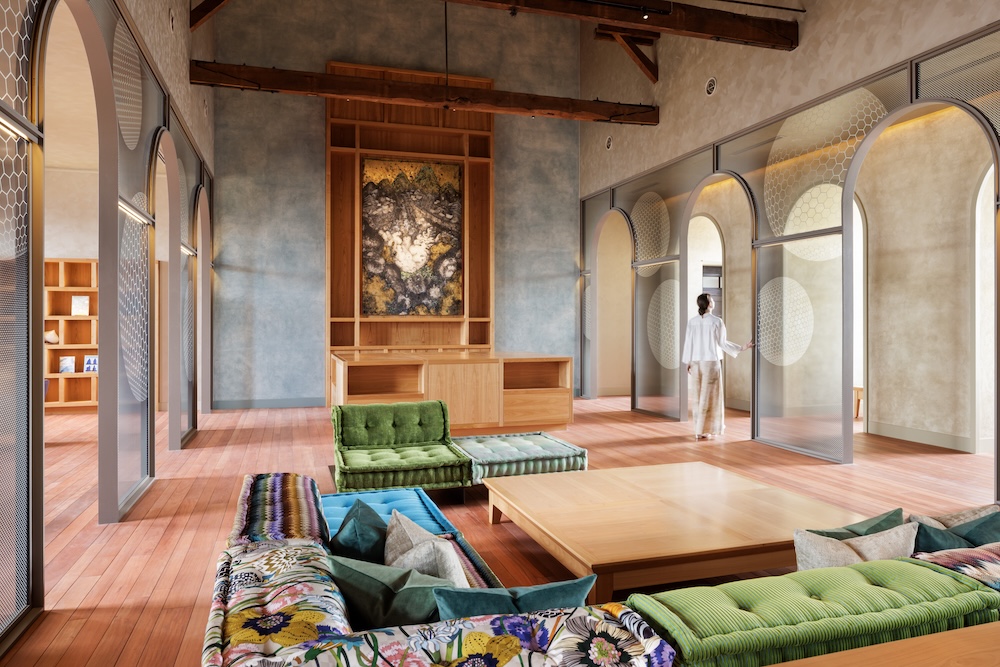
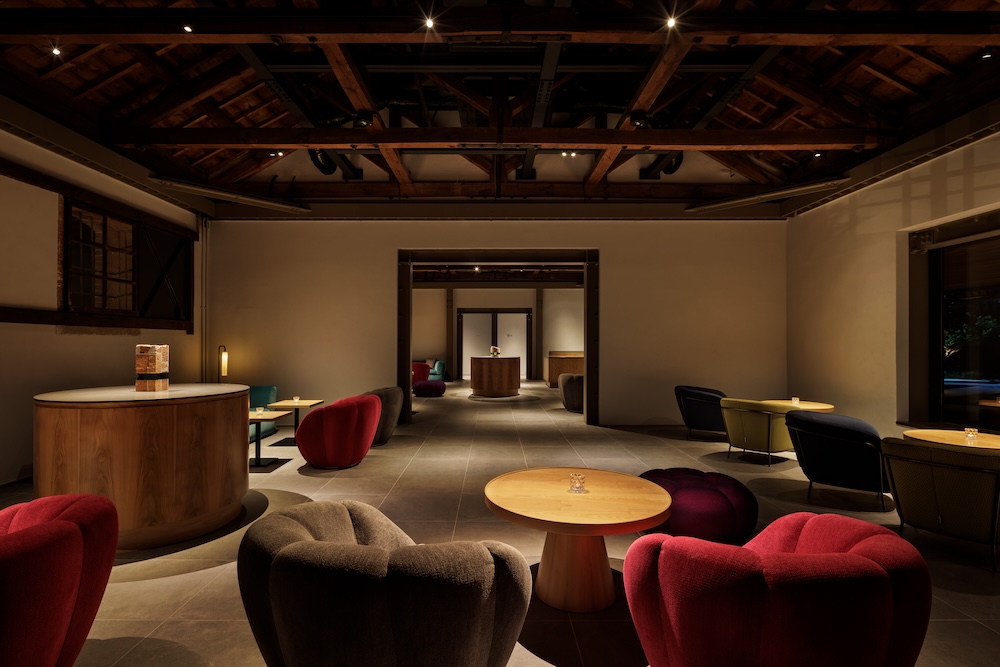
The main lounge centers on an open atrium, where original structural beams span the ceiling and continuous arched windows frame the space. Furnishings and art reflect the Meiji-era embrace of Western cultural influence.
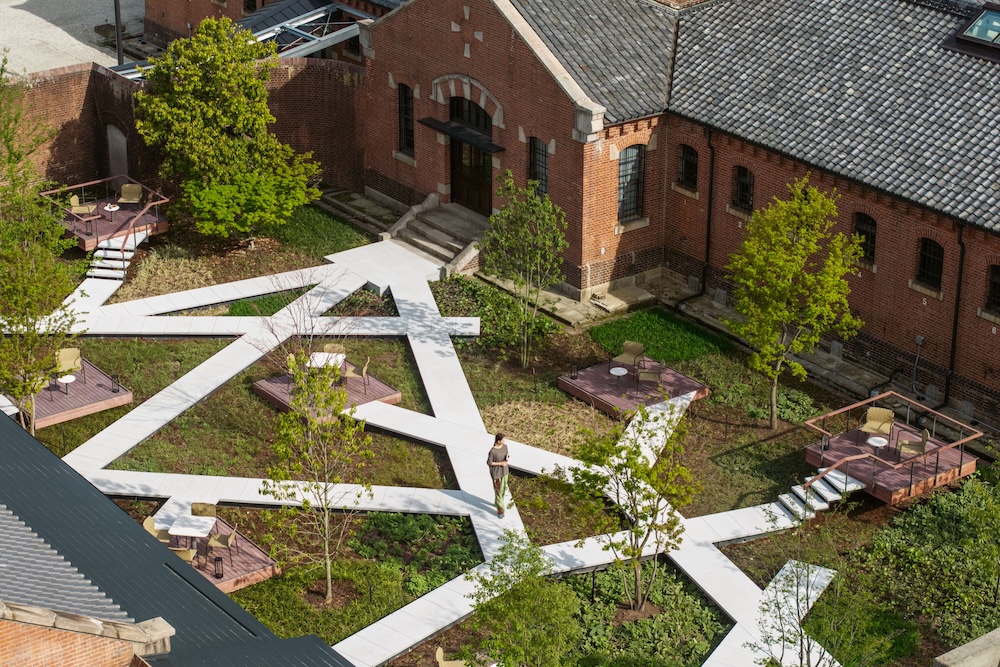
The courtyard, organized around geometrically arranged white walkways, features private decks facing the open sky. Meanwhile, the dining lounge—built for aperitifs and late-night bar service—adapts the character of traditional Japanese storehouses while introducing oversized windows that frame views of the illuminated courtyard after dark.
Dining and culture on site
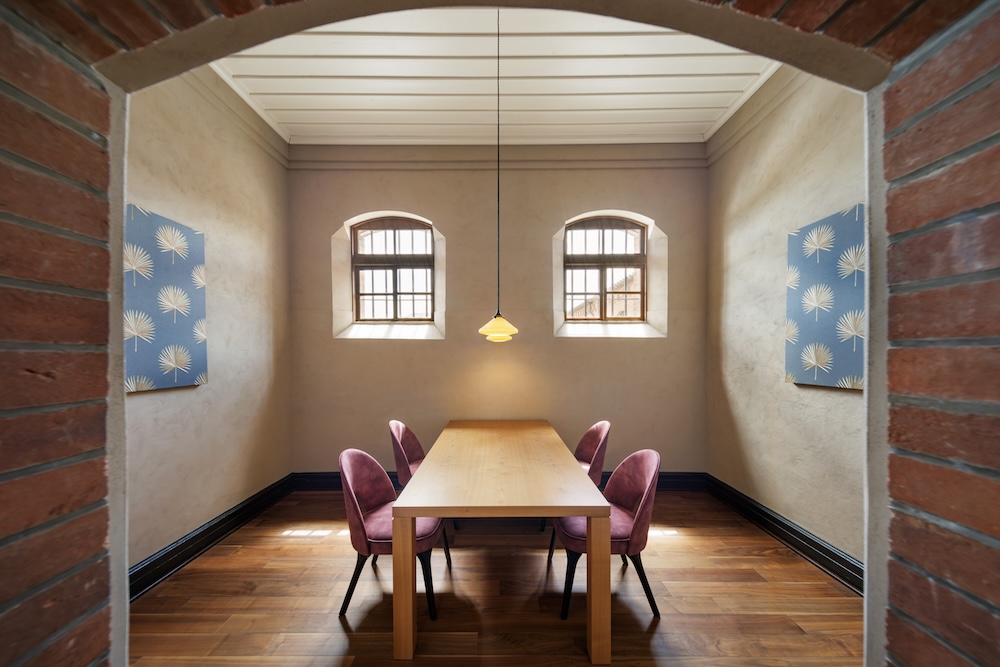
Dining takes place in a separate building converted from former solitary cells and meeting rooms. The semi-private spaces seat up to six guests, with high-positioned windows that track morning light and open onto the night sky.
The onsite Nara Prison Museum is guided by the concept “An Eternal Question Posed by an Iconic Prison,” using design and art to explore the building’s layered history and broader social significance. Hotel guests receive free, unlimited access during standard hours via the exclusive pathway.
“When I visited the site for inspection, I was struck by the spatial composition, where five wings extend from a central guardhouse, and was amazed that such a beautiful space had been created as a prison during the Meiji era,” notes Rie Azuma, CEO of Azuma Environmental Architectural Research Institute. “While considering how to express the essence of HOSHINOYA while respecting the value of this cultural property, I came to feel that the space already possessed a sense of ‘extraordinary experience,’ and that it would be sufficient to enhance and highlight its inherent beauty through design.”