

It started out as a noble real estate development venture, with Carlos Couturier and Moisés Micha rescuing Mexican residences from ruin. Before long, Moisés’ brothers Rafael and Jaime were on board, and the quartet began plotting Grupo Habita, the pioneering lifestyle hotel brand launched in 2000.
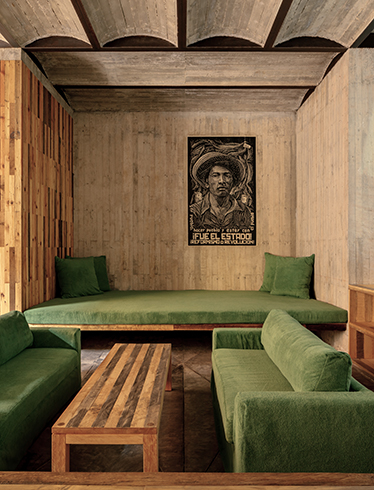
Brick limestone, exposed concrete, and wood define Otro Oaxaca by RootStudio
All four of the partners traveled frequently, and “we found hotels then to be a bit boring or too stiff. There was nothing in between,” recalls Couturier. “We thought there was room for a new form of hospitality: intimate, human, sexy, but also serious and professional. Hotels for a creative class.”
Grupo Habita first turned its attention to Mexico City’s Polanco neighborhood with the 36-room Hotel Habita, designed by local firms TEN Arquitectos and Habitación 116. At the time, the Mexican capital was “regarded as chaotic, polluted, and unsafe,” adds Couturier, and the team boldly brought a much-needed oasis to life within that frenzied backdrop. “We wanted to build a hotel in our city to make a statement: that Mexico was ready to take off as a modern and innovative destination.”
Flaunting the first buzzy rooftop pool and bar of its kind, Hotel Habita, which opened in 2000, was an immediate success.

Today, there are 16 Grupo Habita hotels across Mexico—as well as the Robey in Chicago—that all showcase contemporary yet grounded architecture and design. Paris designer India Mahdavi, for example, lent her savvy to Hotel Condesa DF in Mexico City, while the solar-powered Terrestre in Puerto Escondido is the handiwork of Mexico City practice Taller de Arquitectura X (TAX).
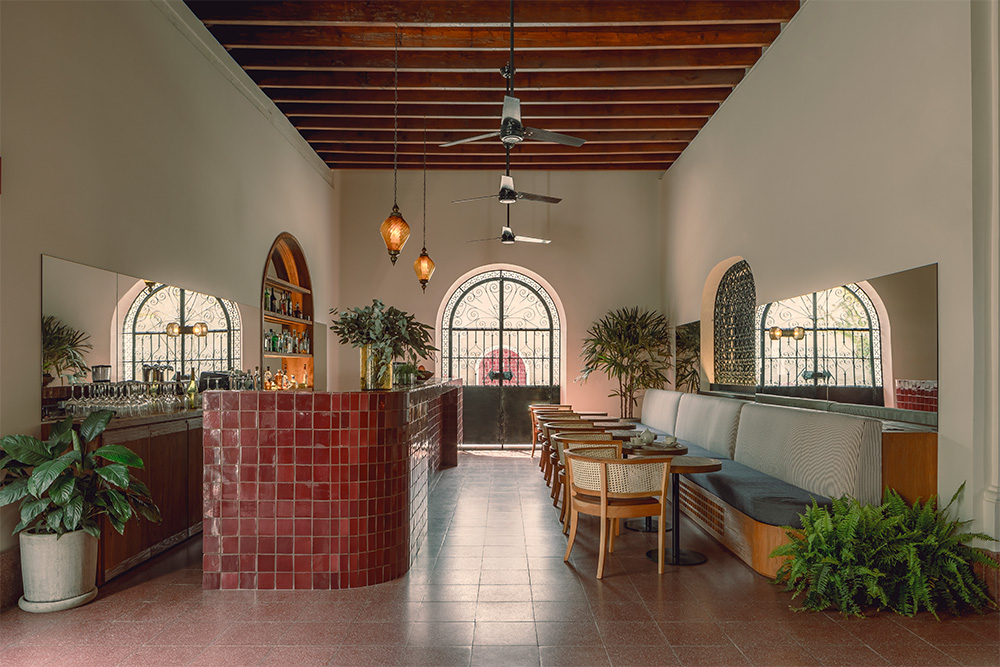
Located in La Paz, Baja Club Hotel blends a restored 1910 colonial villa with modern, minimalist architecture from Max von Werz Arquitectos and Jaune
Grupo Habita, “the anti-franchise,” as Couturier puts it, shuns repetition, and so each property is shaped directly by the building it’s set in. Consider La Purificadora in Puebla, a former late-19th-century water purification factory for which late architect Ricardo Legorreta embraced a palette of black and white instead of his typical bright hues, or Azúcar in Veracruz, the thatched-roof seaside retreat with driftwood-adorned guestrooms dreamed up by Couturier. Most recently, local- and Berlin-based Zeller & Moye transformed a centuries-old residence in Mérida into Hotel Sevilla.
A striking aesthetic helped Grupo Habita stand out from the get-go, as did its music, food, cultural, and wellness offerings, now-pervasive hotel amenities that back then “no one believed would last,” Couturier points out. Twenty-six years later, Grupo Habita is just as relevant, fueled by a community-focused ethos to “lead and not reproduce. People matter. Human kindness is essential. If you care for others, they care for you. It’s part of our Mexican DNA.”
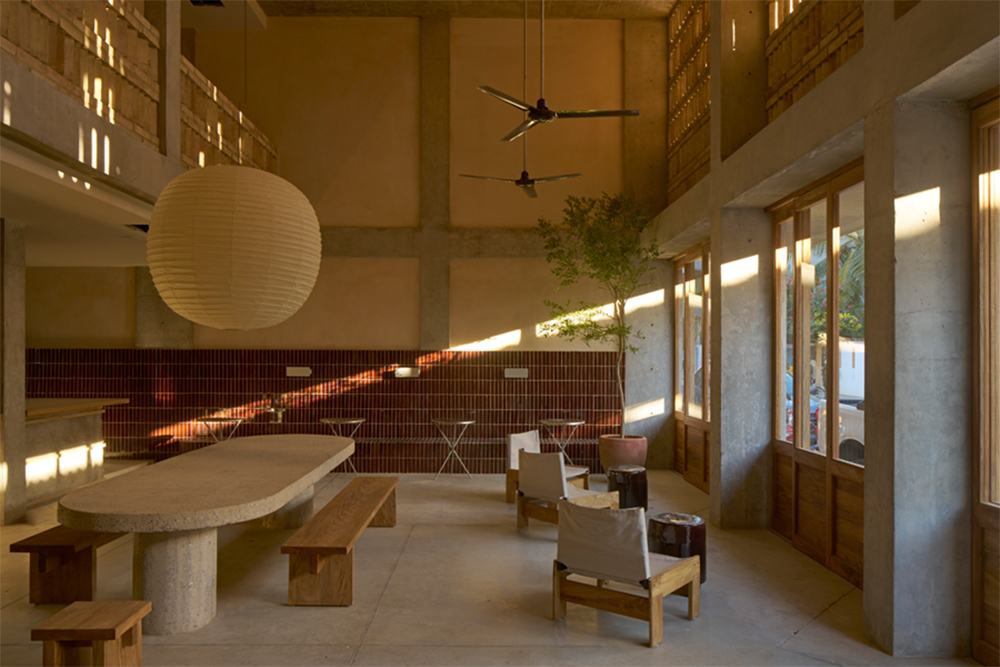
Hotel Humano is a laidback, surf-inspired sanctuary in Puerto Escondido by Plantea Estudio
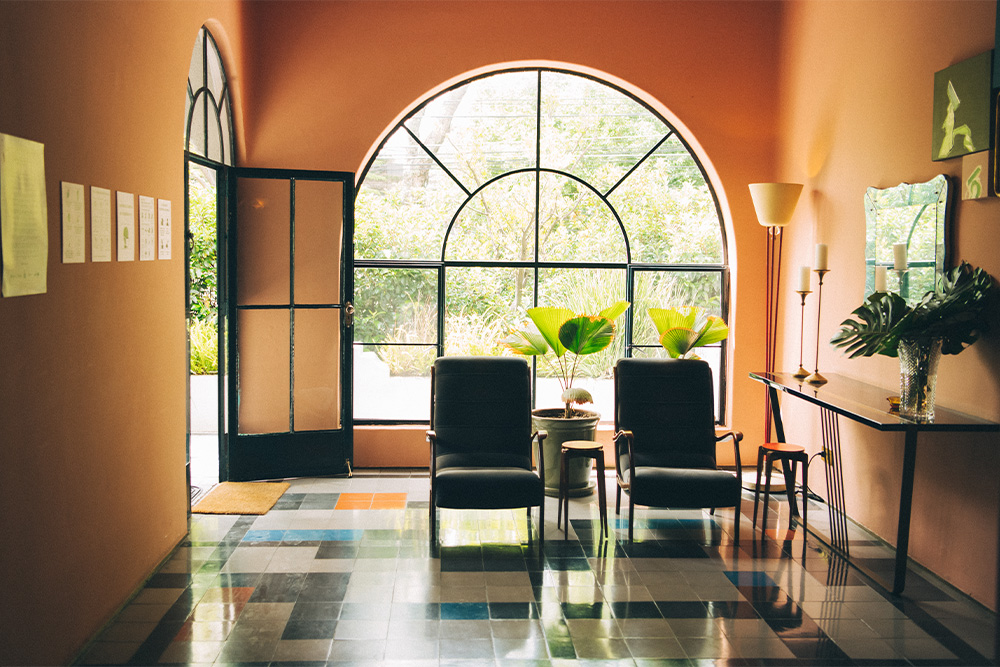
Classic meets contemporary at the Dimorestudio-crafted Casa Habita in Guadalajara
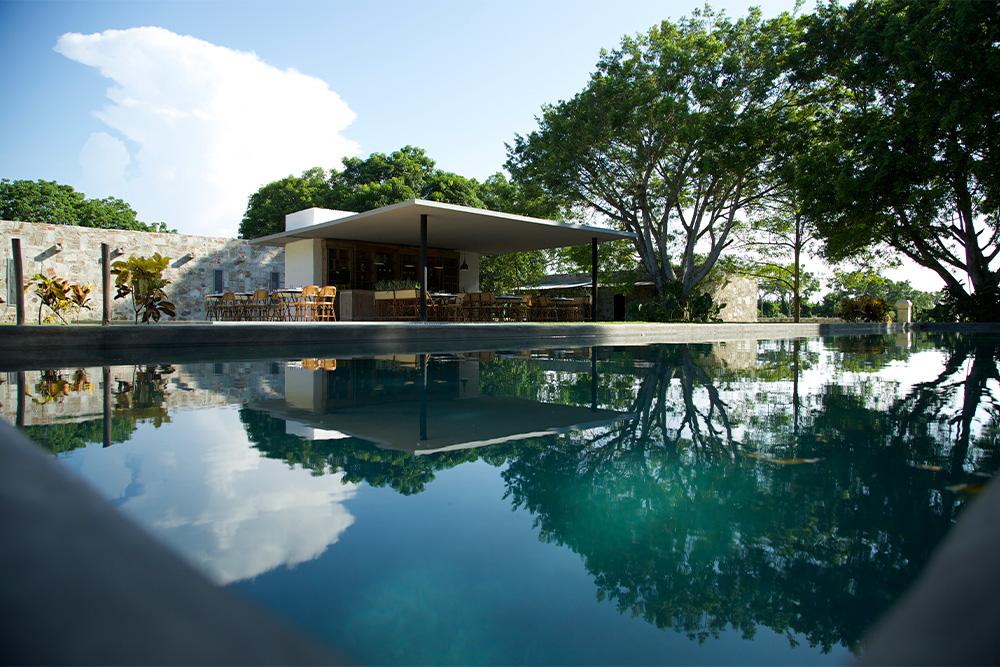
The Grupo Habita-led Maison Couturier in Veracruz melds Mexico and French traditions
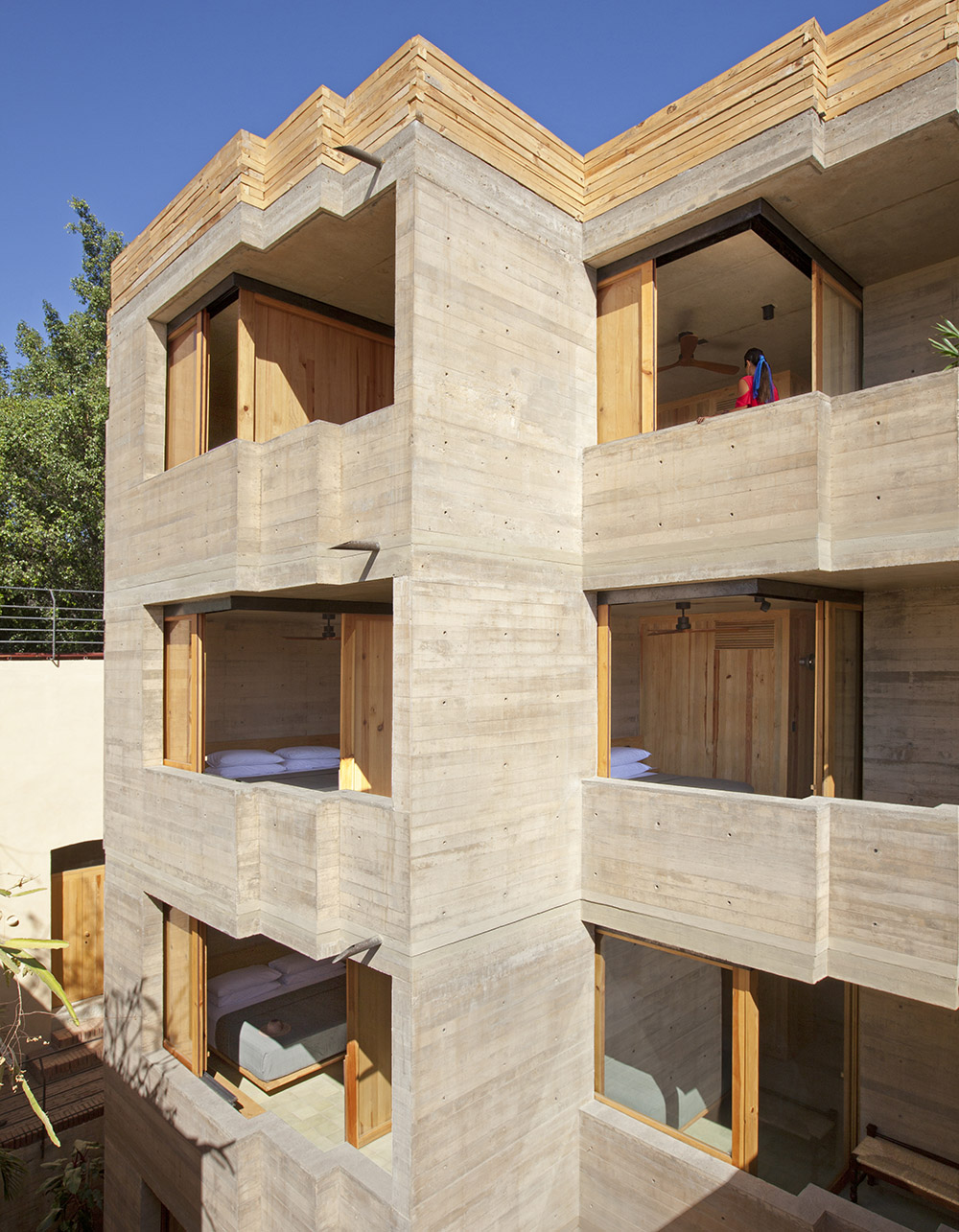
Decada transformed a 19th-century house into Escondido Oaxaca Hotel
This article originally appeared in HD’s May/June 2026 issue.